
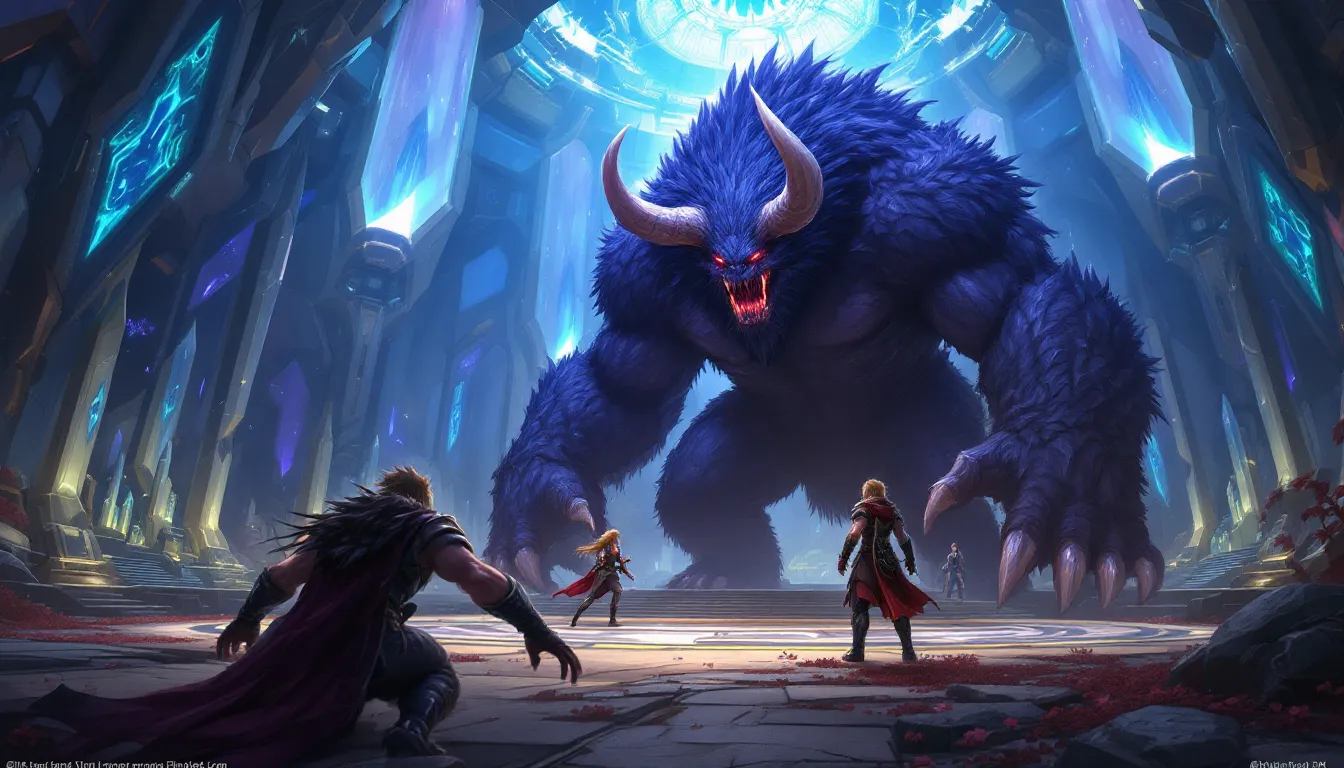
Behemoth has haunted Final Fantasy players for decades. This colossal, brutish creature isn’t just another random encounter, it’s a milestone, a skill check, and often a turning point in your adventure. Whether you’re facing it down in the original Final Fantasy or squaring up against its modern incarnations in contemporary titles, Behemoth represents everything that makes the series special: challenging design, memorable moments, and the kind of boss that sticks with you long after you’ve defeated it. This guide will walk you through everything you need to know about this iconic beast, from its origins to strategies for taking it down across different Final Fantasy games.
Table of Contents
ToggleKey Takeaways
- Behemoth is a legendary Final Fantasy boss that serves as a progression gate requiring preparation, strategy, and tactical adaptation rather than brute-force approaches across all game iterations.
- Behemoth’s signature attacks like Grand Horn, Meteor, and Earthquake demand specific defensive planning and healing windows, with phase transitions marking escalations in difficulty and damage output.
- Effective Behemoth defeats require pre-battle setup including proper leveling, balanced team composition with healers and tanks, elemental-resistant armor, and extensive healing item inventory.
- Behemoth variants like King Behemoth and superboss versions provide harder skill checks that reward completionists and hardcore players with exclusive weapons, rare crafting materials, and substantial experience gains.
- Modern Behemoth encounters in games like Final Fantasy XIV emphasize mechanical execution and positioning awareness over pure stat inflation, making boss design skill-based and fair.
- Defeating Behemoth creates a positive feedback loop of progression, strengthening your team and enabling access to harder content throughout your Final Fantasy adventure.
What Is Behemoth in the Final Fantasy Series?
Origin and Evolution Across Games
Behemoth didn’t start as a Final Fantasy creation, the creature draws from mythology and fantasy across cultures. But when the series adopted it, the designers gave it a distinct identity: a hulking, horned beast with incredible physical power and supernatural abilities. What made Behemoth special from the start was its role as a progression gate. Players couldn’t cheese their way through a Behemoth encounter with basic tactics: you needed preparation, strategy, and often a bit of luck.
Across the decades, Behemoth’s design has evolved dramatically. In the NES era, it was a sprite on a screen. By the time Final Fantasy VII rolled around, it became a 3D monstrosity that players could see charging across the battlefield. Each generation brought refinements to its move set, scaling, and thematic presence. The core identity remained constant, raw power and intimidation, but the execution became increasingly sophisticated.
The evolution reflects broader changes in Final Fantasy’s design philosophy. Early games emphasized resource management and planning. Modern entries layer in real-time mechanics, phase transitions, and visual spectacle. Yet somehow, Behemoth still feels like Behemoth across every iteration.
Behemoth’s Role in Combat and Lore
In most Final Fantasy games, Behemoth occupies a unique narrative and mechanical space. It’s rarely a main story boss, you usually encounter it as an optional superboss or a roaming threat in specific regions. This positioning makes the fight feel earned. You’re not forced into the encounter: you choose to test yourself against it. That agency creates psychological weight that mandatory bosses often can’t match.
Lore-wise, Behemoth exists as a force of nature. It’s not typically evil in a traditional sense: it’s simply a manifestation of raw, primal power. Some games present it as a territorial guardian. Others frame it as a creature displaced from its natural realm. This ambiguity gives the battle thematic depth beyond “defeat the monster, get the reward.”
Combat-wise, Behemoth forces players to adapt. It resists certain status effects and magic types. Its physical attacks hit hard enough to warrant defensive planning. Its special abilities, like the infamous Meteor attack in later games, demand real preparation. You can’t just grind levels and facetank your way through. The fight demands tactical thinking, and that’s what made it memorable for generations of players.
Behemoth Appearances by Final Fantasy Game
Classic Entries (Final Fantasy I–VI)
Final Fantasy I introduced Behemoth as an optional encounter, setting the template for decades to come. It was a raw power check with high HP and devastating physical attacks. Players needed solid gear and careful ability use to survive. Back then, missing a few turns of healing or using the wrong spell could spiral into a quick loss.
Final Fantasy II featured Behemoth with increased complexity, introducing elemental interactions that later games would expand. Final Fantasy III included it as a roaming threat, and Final Fantasy IV placed it in specific dungeons where unprepared parties could get wiped in seconds. These entries established Behemoth as the creature players talked about in schoolyards, the one everyone knew was brutal.
Final Fantasy V made Behemoth fights more mechanically interesting by introducing job class interactions. A properly configured team could handle it, but brute-force approaches failed. Final Fantasy VI positioned it as an optional superboss, further cementing its role as a challenge for completionists and hardcore players.
Across these entries, Behemoth’s stat blocks scaled with game progression, but the core threat remained consistent: high physical damage, good HP, and limited weaknesses. You couldn’t exploit a single gimmick: you had to play smart.
Modern Entries (Final Fantasy VII–XVI)
Final Fantasy VII brought Behemoth into the 3D era, and it immediately felt different. The creature was massive, animated with weight and presence. Its roar echoed through the arena. While the mechanics remained roughly similar, hit hard, use magic defensively, the presentation made it feel significantly more challenging, even if the actual difficulty was comparable to earlier versions.
Final Fantasy VIII featured Behemoth as a mid-tier challenge compared to the true superbosses, but it remained a dangerous encounter if your Guardian Forces and status magic weren’t leveled appropriately. Final Fantasy X included a Behemoth variant that forced players to engage with its elemental weaknesses and status vulnerability.
Final Fantasy XIV, the ongoing MMORPG, has made Behemoth central to its identity. The fight appears in several forms, from regular dungeons to extreme trials, and each version adds mechanical complexity. The FFXIV Behemoth encounter, particularly its extreme version, became legendary for its mechanical depth and the spectacular animations around its signature attacks. Players had to manage positioning, DPS checks, and mechanic execution simultaneously.
Final Fantasy XV featured Behemoth as a demanding hunt that required serious preparation and execution. Final Fantasy XVI inherited many of these philosophical approaches, emphasizing phase-based encounters with escalating mechanics.
Across these modern entries, Behemoth shifted from a stats-and-tactics fight to something with more theatrical presentation and complex phase design. Developers understood that players had evolved. Harder-hitting abilities, positioning requirements, and visual cues became as important as raw numbers.
Behemoth Abilities and Attack Patterns
Signature Moves and Mechanics
Behemoth’s move set varies across games, but certain attacks remain iconic. The Grand Horn is a physical attack that hits like a freight train, often targeting the entire party. This ability forces teams to maintain sustained healing and defensive buffs.
Meteor appears in several Final Fantasy games as Behemoth’s ultimate ability. It’s a delayed attack that summons meteors raining down on the battlefield. Some versions allow you to interrupt it with sufficient DPS checks: others are unavoidable and simply demand high defensive stats and healing readiness. Missing your healing window when Meteor lands will cascade into a wipe.
Earthquake is another recurring attack, especially prevalent in later entries. It hits the entire party for magic damage and occasionally applies status effects. Unlike Grand Horn, Earthquake can’t be mitigated by armor or physical defense, forcing mages and support characters to play defensively.
In FFXIV, Behemoth’s signature move is the Comet phase, where meteors rain down and players must position carefully to avoid overlap damage. The creature also uses Megaflare, a massive energy attack that serves as a DPS check. If your team’s damage output is insufficient, the party takes stacking damage that quickly becomes lethal.
Behemoth’s move patterns typically follow phases. Early in the fight, it uses basic attacks. As health depletes, it escalates to special abilities. The final phase usually introduces its most dangerous attacks, demanding that teams have sufficient offensive pressure to end the fight before mechanics become overwhelming.
Difficulty and Threat Level
Behemoth’s actual threat level depends heavily on game and version. In classic Final Fantasy games, it’s a brutal encounter if you’re underleveled or under-geared, but manageable with proper preparation. A level 40+ party in Final Fantasy I could handle it: level 20 adventurers would get decimated.
In Final Fantasy XIV, difficulty varies based on content tier. Dungeon Behemoths are standard encounters that moderate parties can clear with competent play. Extreme trials represent substantial difficulty spikes, requiring synchronization, positioning awareness, and DPS optimization. Savage-tier variants are even more demanding, asking for frame-perfect execution and coordinated team play.
The progression of difficulty across games reflects broader design philosophy shifts. Modern Final Fantasy encounters build on mechanics rather than pure stat inflation. Behemoth in FF VII Remake hits hard, but skilled players can avoid damage through positioning and parry timing. It’s challenging without feeling unfair, there’s always a way to win if you’re executing the mechanics.
Games like Final Fantasy X and beyond made Behemoth’s threat more nuanced. It’s not just about HP pools: it’s about understanding status immunities, elemental interactions, and attack patterns. A prepared party with mediocre stats can beat an unprepared party with excellent stats, which is the hallmark of good boss design.
Strategies for Defeating Behemoth
Pre-Battle Preparation and Team Setup
Before entering a Behemoth fight, spend time on setup. This isn’t laziness, it’s the difference between a clean victory and a frustrating loss.
First, check your levels. Most games expect you to be within 5-10 levels of the boss’s intended difficulty. Underleveling by 15+ levels makes the fight unnecessarily brutal. Grinding for even 2-3 levels can meaningfully reduce the encounter’s complexity by improving survivability and damage output.
Second, plan your team composition. You need healing, you need damage, and you need defensive capability. Don’t bring four damage dealers expecting to burst down Behemoth before it acts, that rarely works. A typical effective setup includes:
• One or two dedicated healers
• One tank or defensive character (or debuff specialist in games without traditional tanking)
• One to two damage dealers
• One utility/elemental specialist
Third, prepare your equipment. Equip your party with armor that resists Behemoth’s primary damage type. If it uses physical attacks heavily, prioritize armor with high defense. If it deals magic damage, prioritize spirit or magic defense. Accessory slots should include status immunity items when available.
Fourth, stock your inventory with healing items. Potions, high-tier healing magic, phoenix downs if available, status-removing items, anything that keeps your party alive should be available in abundance. Don’t cheap out here: this is where you’ll spend your gil.
Fifth, study the encounter beforehand. Read guides, watch videos, or ask experienced players about Behemoth’s move set. Knowing that Meteor is coming and approximately when lets you plan healing windows and positioning. Surprise is the enemy of preparation.
In-Battle Tactics and Phase Management
Once the fight starts, patience matters more than panic.
Opening phase: Let Behemoth establish its attack pattern. Don’t immediately dump your best abilities, instead, let it show you its rhythm. This first minute is about information gathering. You’re watching for tells, learning the sequence, understanding when it’ll use special attacks.
Sustained pressure: Maintain consistent damage while keeping your party healthy. In classic games, this means steady DPS alternated with defensive actions. In modern titles with real-time mechanics, maintain positioning awareness while attacking. Don’t tunnel vision on damage when mechanics are happening around you.
Defensive rotations: Stagger your healing and buffs. If everyone’s health is at 70%, don’t heal yet, wait for a turn or two before topping up. This prevents overdoing it while ensuring you’re ready when big attacks land. Use buffs before predictable damage windows. If Meteor is coming in the next two turns, cast your defensive buff now.
Status management: If Behemoth applies debuffs, remove them promptly. Poison, paralysis, or sleep can cascade into wipes if ignored. Conversely, apply status effects to Behemoth if it’s vulnerable. Paralysis reducing its action speed can swing the fight in your favor.
Phase transitions: When Behemoth’s health drops below certain thresholds (often 75%, 50%, and 25%), it’ll shift tactics. These transitions are typically accompanied by special attacks or new mechanics. Be ready with extra healing or defensive abilities. Use phase transitions as info checkpoints, if you’re ahead on DPS, push forward: if you’re struggling, dial back and focus on survival.
Endgame execution: The final 10% is often the most dangerous because Behemoth uses its strongest attacks. If the fight is going long, you need reserves, both in consumables and party health. A slow, grinding victory where you finish with 15% health is better than a flashy loss at 5% health.
Recommended Loadouts and Equipment
Loadouts vary by game, but principles remain constant.
For classic Final Fantasy games (I-VI): Prioritize the highest-level armor and weapons available. Status immunity accessories (antidote items, moogle charm equivalents) are mandatory if Behemoth applies status effects. Magic selection should include your best healing, your best offensive magic, and defensive/buffing magic. Leave one inventory slot open per character for healing items.
For FF VII and FF VIII: Equip materia/junctions that counter Behemoth’s damage type. Final Fantasy VII parties should use Barrier materia and strong offensive materia. FF VIII players should junction appropriate Guardian Forces and GF magic to optimize stats. Limit Breaks are game-changers, keep your Limit Break gauge full and use them strategically.
For FF X: Use Aeons strategically, especially against Behemoth’s AOE attacks. Have your party set up with high HP and good defensive stats. Abilities like Haste and Protect are mandatory. Consider bringing Yuna primarily for healing and summoning rather than offensive magic.
For FF XIV and modern MMO-style encounters: DPS should prioritize crit chance and direct damage stats. Healers need to balance healing power with damage output (off-healing is valuable). Tanks should maximize health and defense. Everyone needs to understand positioning markers and mechanic timings. Gear ilvl matters, but execution matters more.
For games like Final Fantasy XV, the Ascension Grid becomes crucial. Invest in survivability nodes first, then utility nodes that let you dodge or counter more effectively. Equip your team with weapons that synergize with their abilities. Use potions and items during the fight, don’t save them for harder bosses later.
Behemoth Variants and Special Encounters
King Behemoth and Superbosses
Most Final Fantasy games don’t just have regular Behemoth, they include variants or harder versions that serve as true skill checks.
King Behemoth is the most common superboss variant. It’s typically 1.5 to 2 times as difficult as regular Behemoth, with higher stats, faster attack speed, and stronger abilities. King Behemoth encounters often serve as gate checks for completionists. If you can beat King Behemoth, you can handle most optional content in that game.
Final Fantasy XIII featured a particularly brutal Behemoth+ variant as a post-game hunt. It required specific strategy against its status immunity and physical damage focus. The creature would shift between phases rapidly, demanding that teams understand role flexibility and quick paradigm switching.
FFXIV’s savage-tier Behemoth is genuinely one of the hardest fights the game has seen. It combines mechanical complexity with tight DPS checks. Casual players beat the extreme version: hardcore raiders clear the savage version. There’s a substantial gap between the two.
Final Fantasy XV had the Cerberus and other superbosses that made regular Behemoth hunts look trivial, establishing a tiered difficulty structure. Beating Behemoth meant you could probably handle most fights, but Behemoth certainly wasn’t the ceiling.
Regional and Limited-Time Encounters
Some Final Fantasy games featured limited-time or region-specific Behemoth encounters, adding scarcity and urgency.
Final Fantasy XIV periodically rotates Special Hunts featuring Behemoth variants, available for limited windows. Missing a hunt means waiting for the next rotation, which could be weeks or months. This structure encouraged community participation and made each encounter feel special.
Regional variants often had slightly different move sets or stat distributions. A desert-dwelling Behemoth might use different attacks than a snow-based variant, reflecting environmental storytelling. Some games locked Behemoth encounters behind time-based events, area unlocks, or quest prerequisites, adding progression layers.
Final Fantasy Type-0 had Behemoth encounters tied to specific multiplayer scenarios. Regular players could grind solo versions, but harder multiplayer instances offered better loot and bragging rights. This cooperative aspect made Behemoth discussions feel community-driven rather than solitary.
These variant encounters kept Behemoth fresh across long game lifespans. Once you beat one version, variants offered new mechanics and tactics to master, extending engagement for dedicated players.
Rewards and Loot from Defeating Behemoth
Exclusive Items and Materials
Boss fights in Final Fantasy games rarely exist purely for prestige, they drop valuable loot, and Behemoth encounters are no exception.
Weapon drops are common Behemoth rewards. These aren’t always the best weapons in the game, but they’re typically excellent for their tier. Some Behemoth weapons have unique properties, extra crit chance, elemental alignment, or special abilities that make them valuable for specific builds.
Armor and accessory drops similarly reflect Behemoth’s status tier. Players usually get high-defense gear or items with beneficial passive effects. A Behemoth ring might grant HP regeneration: a Behemoth shield might reduce elemental damage.
Crafting materials are substantial rewards in modern games. Beating a regular Behemoth might drop 3-5 rare materials: King Behemoth or superboss variants drop significantly more. Players farming specific materials often target Behemoth hunts repeatedly, grinding for upgrades.
Unique items sometimes drop exclusively from Behemoth. These might be cosmetic (armor skins, weapon appearances), functional (key items needed for specific quests), or powerful (gear that enables specific playstyles). In FFXIV, defeating Behemoth grants access to mount replicas and seasonal exclusive items.
Gil rewards vary by game. Some Behemoth encounters pay decently: others don’t. But combined with sellable drops, defeating Behemoth often nets solid currency gains, useful for potion restocking or equipment upgrades.
Experience and Leveling Benefits
Behemoth fights grant experience appropriate to their difficulty. Regular Behemoth encounters typically award experience equivalent to 5-10 standard encounters. King Behemoth and superbosses grant 2-3 times that amount.
For mid-game players, Behemoth fights can be genuine leveling milestones. Win a tough Behemoth battle and suddenly you’ve jumped a full character level. That progression feels earned in a way that grinding random encounters doesn’t.
In level-capped games like FFXIV, experience matters less, but encounters still reward relevant currencies, tomestones, raid coins, or quest points that unlock gear progression. The reward structure ensures that Behemoth remains valuable regardless of current level.
Job-specific rewards are sometimes included. A scholar defeating Behemoth might get abilities or stats that specifically benefit scholars, encouraging class diversity rather than “bring one optimal comp every time.”
The leveling benefits create a positive feedback loop. Defeating Behemoth makes your team stronger, enabling you to tackle harder content. That escalation is exactly what keeps games engaging across 40+ hour campaigns.
Conclusion
Behemoth has remained a Final Fantasy icon across four decades because it represents something pure in game design: a challenge that respects player skill while remaining tough enough to earn respect. It’s not an arbitrary difficulty spike: it’s a boss that teaches you to plan, prepare, and execute.
Whether you’re taking it down in the original NES game, fighting FFXIV Behemoth in a party of eight, or hunting it in a modern mainline entry, the core of the experience stays constant, you’re testing yourself against something dangerous and coming out stronger for it. That’s the legacy Behemoth carries, and why the creature still commands attention in gaming communities.
Your path to defeating Behemoth starts with understanding its patterns, preparing your team properly, and executing your strategy without panicking. With the knowledge from this guide and some practice, you’ll join the countless players who’ve claimed victory over gaming’s most iconic beast. The fight awaits, go in prepared.