
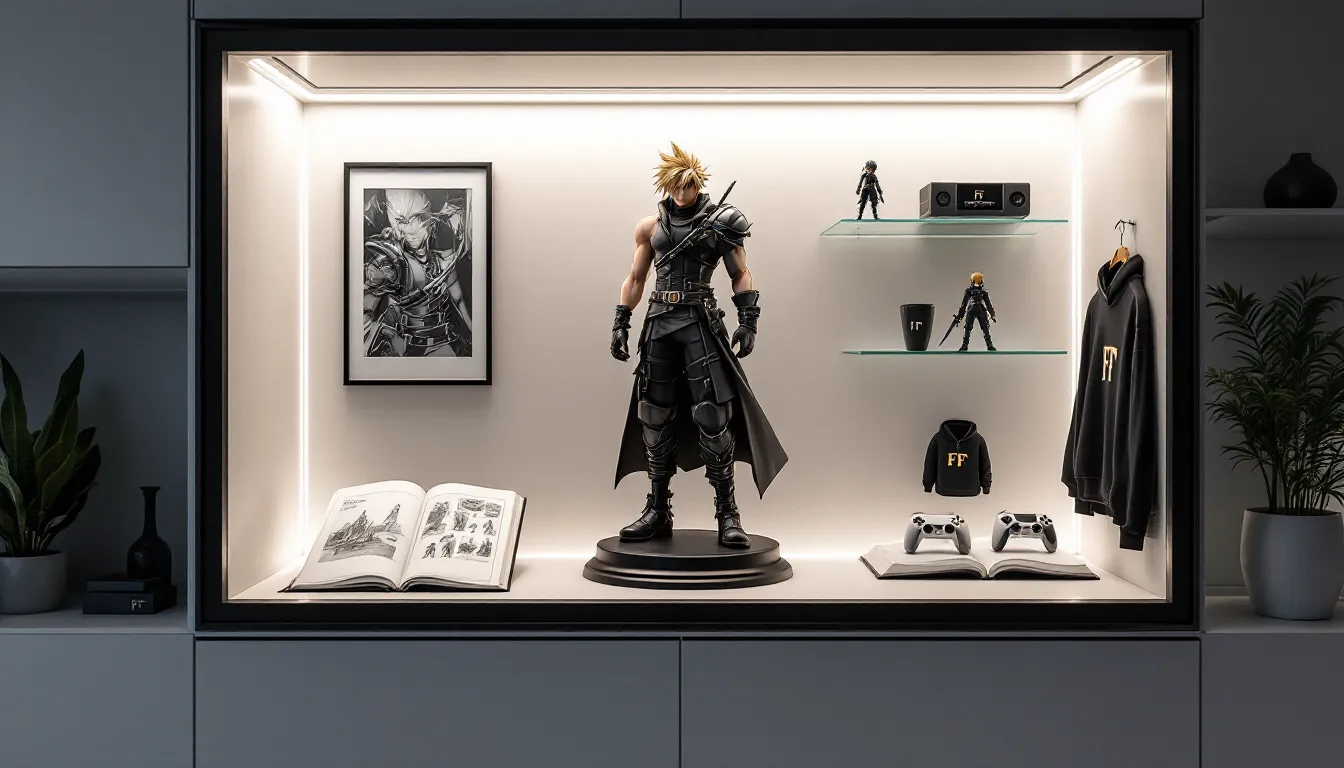
If you’ve ever stood in front of a Final Fantasy figure, art book, or limited-edition collectible and thought “I need this,” you’re not alone. The Final Fantasy merchandise market has exploded over the past few years, transforming from a niche collector’s hobby into a global phenomenon that rivals the gaming industry itself. Whether you’re a longtime fan who’s been collecting since the PS1 era or someone just getting into the series through the Final Fantasy 7 Remake or other modern titles, the sheer variety and quality of official and third-party merchandise can be overwhelming. From stunning statues that belong in an art gallery to wearable gear that lets you rep your favorite character, Final Fantasy merch has become more accessible, and more valuable, than ever. This guide breaks down everything you need to know about building a collection that’s authentic, worthwhile, and true to what makes Final Fantasy special.
Table of Contents
ToggleKey Takeaways
- Final Fantasy merch has become a global collector’s market worth significant investment, with limited-edition pieces often appreciating 2–5x their original retail value over time.
- Authentic Final Fantasy merchandise spans multiple categories—from affordable Nendoroids ($50–$80) to premium Kotobukiya statues ($300–$400+)—with quality and condition determining both value and longevity.
- Identify counterfeits by examining packaging sharpness, paint application consistency, weight, detail accuracy, and seller credibility; always purchase from authorized retailers like Square Enix’s official store, Amiami, or certified resellers.
- Smart collecting requires setting a monthly budget, prioritizing quality over quantity, and focusing on favorite characters or games rather than chasing trends to build a meaningful and appreciating collection.
- Store high-value Final Fantasy merch in climate-controlled spaces away from sunlight and humidity, keep original packaging for investment pieces, and consider insurance for collections exceeding $5,000.
- Join collector communities (Reddit, Discord) to stay informed on release announcements, market pricing, and authentication tips—early pre-orders on limited editions prevent costly secondary market markups.
Why Final Fantasy Merch Has Become a Global Collector’s Market
The Final Fantasy franchise has spent nearly four decades cementing itself as one of gaming’s most iconic and beloved properties. What started as a pixelated RPG on the NES became a cultural juggernaut that spans multiple generations of gamers. But what’s really fueling the merchandise boom isn’t just nostalgia, it’s the perfect storm of accessibility, quality, and cultural relevance.
Square Enix has dramatically ramped up official merchandise production, particularly after the success of the Final Fantasy 7 Remake and ongoing releases in the main series. Meanwhile, Japanese manufacturers like Good Smile Company and Kotobukiya have elevated the standard of collectible quality, creating pieces that rival fine art in terms of craftsmanship and detail. Collectors aren’t just buying random stuff anymore: they’re investing in limited runs, numbered editions, and collaborations that hold or appreciate in value over time.
The community aspect matters too. Discord servers, Reddit communities, and social media have created spaces where collectors share hauls, display setups, and trading information. A rare Sephiroth statue that cost $150 five years ago might fetch $800 today, turning collecting into a legitimate hobby with financial implications. For many fans, it’s not just about owning the merchandise, it’s about being part of a global community that celebrates the same worlds and characters they love.
Types Of Final Fantasy Merchandise Worth Collecting
Final Fantasy merchandise spans an enormous range of products, and knowing what’s worth your money depends on your budget, display space, and what resonates with you personally.
Action Figures and Statues
This is the heavyweight category. Nendoroids (small, highly articulated figures) from Good Smile Company offer adorable interpretations of Cloud, Tifa, Aerith, and dozens of other characters. They’re reasonably priced ($50–$80) and highly detailed, making them perfect for smaller collections. On the opposite end, Bring Arts figures by Square Enix deliver premium articulation and accessories, ideal for posing and display. These run $60–$100 per figure.
For the serious collector, statues are where the real investment lies. Play Arts Kai figures and Kotobukiya statues showcase incredible sculpting and can cost anywhere from $100 to $400+ per piece. Limited editions and older releases from the PS2 era regularly sell for multiples of their original retail price. The key is condition, authenticity, and rarity, a mint-in-box Final Fantasy XIV Ysayle statue can be worth serious money.
Apparel and Wearables
Final Fantasy apparel ranges from basic t-shirts to high-fashion collaborations. Square Enix’s official store stocks everything from hoodies featuring job class designs to limited-run shirts with iconic artwork. Prices are fair ($30–$60 for most tees), and the designs tend to age well because they lean on classic imagery rather than trendy gimmicks.
Wearables extend beyond shirts. Hats, scarves, and even jackets licensed through official partners let you integrate your fandom into everyday wear without looking like you’re cosplaying. High-quality embroidery and fabric matter here, cheap knockoffs fall apart after a few washes, while legitimate merchandise holds up for years.
Home Decor and Display Items
Posters and canvas prints are the accessible entry point, but the real gems are display-focused items. Figures need a home, and acrylic cases, shelving units, and curated display pieces designed specifically for Final Fantasy collectibles have become increasingly popular. Some collectors invest in custom light setups to highlight their pieces.
Plushies, wall scrolls, and tapestries add personality to a room. Official Moogle and Chocobo plushies are soft, durable, and instantly recognizable. Canvas art featuring scenes from Final Fantasy 7, 10, and 14 can look genuinely impressive on a wall. The sweet spot for value is mid-tier home decor ($40–$120) that balances quality with affordability.
Gaming Accessories and Hardware
This is where gaming meets collecting. Gaming chairs with Final Fantasy branding have become a thing, as have keyboard and mouse combinations featuring character art or job class designs. These pieces offer dual utility, you’re actually using them while enjoying the aesthetics.
Controller skins, mouse pads with Final Fantasy artwork, and RGB lighting solutions that sync with your setup let you create a cohesive gaming space. More niche items include arcade sticks themed around the series and custom PS5 controller covers. If you’re building a gaming setup, these accessories are functional collectibles that enhance both your workspace and your gaming experience. Pricing typically ranges from $30–$150 depending on complexity and quality.
Art Books and Limited Edition Collectibles
Official art books are treasure troves. Books like Final Fantasy VII Remake: Official Art Book and World of Final Fantasy: Complete Official Artwork Collection contain behind-the-scenes illustrations, concept art, and developer commentary. These aren’t cheap ($40–$80), but they’re permanent records of the creative vision behind your favorite games. Limited editions and numbered prints amplify the value.
Limited edition collectibles like blind boxes, trading cards, and resin figures have exploded in popularity. Blind boxes, where you don’t know which variant you’re getting, create an element of chance that drives collecting. Some collectors hunt for specific figures across multiple blind boxes, while others appreciate the surprise. Trading card sets featuring Final Fantasy characters blend collectibility with playability if you’re interested in card games.
Where to Buy Authentic Final Fantasy Merchandise
Finding legitimate merchandise is critical. The flood of counterfeits on platforms like AliExpress and unvetted seller marketplaces makes knowing where to buy your first line of defense against wasting money on fakes.
Official Square Enix Retailers and Stores
Square Enix’s official online store (store.square-enix.com) is the safest bet for authentic merchandise directly from the source. They stock exclusives, limited runs, and first-access drops before items hit other retailers. Shipping can be slow and expensive (especially internationally), but you’re guaranteed authenticity and direct support if anything arrives damaged.
Japanese retailers like Amiami and Play-Asia are legitimate third parties authorized by Square Enix to sell merchandise in specific regions. Prices are competitive, and shipping times have improved significantly over the past few years. These sites also carry imports and region-exclusive items you won’t find on Western shelves.
Physical retail partners vary by region, but Best Buy, GameStop, and Target in North America carry official merchandise, particularly around major game releases. Japanese import stores in major cities often stock authentic merchandise at premium prices due to overhead.
Third-Party Retailers and Online Marketplaces
Amazon is a mixed bag. Fulfilled by Amazon items are generally safe because Amazon stands behind inventory. Third-party sellers, but, can be sketchy. Always check seller ratings, look for “Ships from and Sold by Amazon,” and read reviews mentioning authenticity before buying expensive collectibles.
eBay hosts both collectors selling legitimate items from their collections and resellers. The auction format and detailed seller ratings create accountability. Stick to sellers with high positive feedback specific to Final Fantasy items, and always ask for detailed photos if something seems off. Graded collectibles through PSA (Professional Sports Authenticator) come with authentication documentation, which adds cost but removes doubt.
Specialty anime/collectible stores (both online and physical) like Right Stuf Anime and local collectible shops often stock legitimate merchandise and can provide expert advice. They’re typically more expensive than mass-market retailers, but the knowledge and guarantee of authenticity is worth it for high-value purchases.
Mercari and other peer-to-peer marketplaces work if you’re experienced at spotting fakes, but they’re riskier for newcomers. The advantage is direct communication with sellers and often better prices, but you lose platform buyer protection with unvetted sellers.
How to Identify Counterfeit vs. Authentic Final Fantasy Merch
Counterfeits have become disturbingly good. A fake statue can look 80% correct at first glance, but details reveal the truth. Here’s what experienced collectors watch for:
Packaging and Documentation: Authentic merchandise comes in proper packaging with high-quality printing. Text should be sharp, colors should be vibrant, and logos should align perfectly. Counterfeit packaging often has slightly blurry text, misspellings, or misaligned graphics. Official items include proper labeling with manufacturer information, batch numbers, or certificate-of-authenticity cards for high-end pieces.
Paint and Finish Quality: Real collectibles use consistent paint application with clean edges between colors. Fakes often have sloppy paint work, visible brush strokes, or color bleeding. Run your finger gently over seams and details, authentic pieces are smooth and precise, while counterfeits feel rough or have visible mold lines that weren’t properly cleaned up.
Weight and Materials: Legitimate statues and figures use quality resins, PVC, or ABS plastics that feel substantial. Counterfeit figures feel hollow or too light for their size. Hold it in both hands, authentic merchandise feels premium, fakes feel cheap.
Detail Accuracy: This requires knowing the character. Cloud’s hair should have specific spikes and styling. Sephiroth’s sword should have proper proportions and detailing. Counterfeits often simplify details or get proportions slightly wrong in ways that become obvious once you know what to look for. Compare product photos to actual in-hand reviews from trusted collectors.
Licensing Marks: Look for proper licensing information on the product. Legitimate Final Fantasy merchandise includes Square Enix copyright notices, manufacturer names (Good Smile Company, Kotobukiya, etc.), and often QR codes that link to official product pages. Counterfeits either omit this information or include fake versions.
Price Red Flags: If a $300 statue is selling for $80, it’s either a scam or counterfeit. Legitimate sellers occasionally discount older stock, but massive discrepancies are warning signs. Check current market prices on multiple sites before assuming you’ve found a deal.
Seller History: Even if the product looks correct, where it’s coming from matters. Sellers with lots of items in stock at suspiciously low prices, poor communication, or vague product descriptions are often moving counterfeits. Reputable sellers have detailed photos, clear communication, and customer reviews mentioning authenticity and condition.
Request Detailed Photos: If buying used or from individual sellers, ask for high-resolution photos from multiple angles, including close-ups of packaging, paint work, and any imperfections. Legitimate sellers are happy to comply: scammers make excuses.
Pricing Trends and Budget Planning for Collectors
Final Fantasy merchandise pricing follows predictable patterns if you understand the market.
Entry-Level Collecting ($20–$100): Nendoroids, basic apparel, plushies, and mouse pads sit in this range. New releases start at the lower end and stay stable. This is where most casual collectors start, and the barrier to entry is low enough that experimenting with different types of merchandise makes sense.
Mid-Tier Collecting ($100–$300): Premium figures like Play Arts Kai, Bring Arts, mid-tier statues, and art books sit here. Limited editions bump prices within this range. A first-time Kotobukiya statue or a Final Fantasy 7 Remake Collector’s Edition sits comfortably in this territory. Most serious collectors maintain a collection primarily in this price band.
High-End Collecting ($300–$1,000+): Rare out-of-print statues, signed art books, museum-quality pieces, and ultra-limited collaborations command serious money. A mint-condition Sephiroth statue from 2010 could easily fetch $600–$1,200. These pieces appreciate in value and require proper storage and insurance.
Secondary Market Reality: Most merchandise appreciates if it’s limited edition, out of print, or rare. A $150 figure purchased at retail might sell for $250–$400 three years later if it was a limited run. But, overproduced figures and trendy designs depreciate. The rarest pieces appreciate dramatically, a Final Fantasy 14 Ysayle Kotobukiya statue that retailed for $120 sold for $800+ after going out of stock.
Budget Planning: Collectors typically fall into one of three categories: completionists (who try to own every variant and rare piece), selective enthusiasts (who focus on favorite characters or games), and casual collectors (who buy what they like without system). Completionists spend $100–$300 monthly and build collections worth $10,000+. Selective enthusiasts spend $50–$150 monthly and maintain focused collections worth $2,000–$5,000. Casual collectors spend $20–$50 monthly and keep smaller, curated collections.
Smart Buying: Wait for sales on new releases (they typically drop 10–20% after the first month). Pre-order limited editions to avoid secondary market markups. Focus on characters and franchises you genuinely love rather than chasing trends. Older, out-of-print merchandise appreciates best if it was quality and limited. Monitor price history on completed sales across multiple platforms to understand fair market value before committing to expensive purchases.
Popular Final Fantasy Merch Brands and Manufacturers
Not all manufacturers are created equal. Knowing who makes what helps you understand quality and value.
Good Smile Company produces Nendoroids and Figma articulated figures. Their designs are chibi-style (cute, simplified proportions) but incredibly detailed. Nendoroids are the most accessible premium figure option, with retail prices around $60–$80. They’re durable, highly articulated, and come with multiple interchangeable faces and accessories. If you’re starting a collection, Nendoroids are the safest first investment.
Kotobukiya manufactures high-end statues and Bishoujo (beautiful girl) line figures. Their statues are museum-quality, with incredible sculpting and paint application. These cost $120–$400 per piece but are investment-grade collectibles. Kotobukiya pieces appreciate significantly after they’re out of print.
Play Arts Kai by Square Enix produces premium articulated figures with exceptional detail. At $60–$100 per figure, they’re mid-tier in price but premium in quality. They appeal to action-figure collectors who want poseability alongside visual quality.
Bring Arts figures, also from Square Enix, sit between Play Arts and Nendoroids in terms of size and articulation. They’re highly detailed, relatively affordable ($60–$80), and represent excellent value for fans wanting something more substantial than Nendoroids but less expensive than full-size statues.
Max Factory and other resin manufacturers produce high-end custom and limited-edition figures. These are often hand-painted, numbered, and extremely rare. Prices reflect exclusivity, expect $200–$500+ per piece, but these appreciate dramatically because production is genuinely limited.
Square Enix’s official merchandise spans everything from basic apparel to exclusive collaborations. Quality varies, but official gear is always authentic. Their store offers first access to exclusives and limited runs that command premium prices on the secondary market.
Third-party apparel manufacturers like Uniqlo and collaboration partners produce licensed clothing. Uniqlo Final Fantasy collaboration pieces are affordable ($20–$40) and well-made, making them accessible entry points. High-fashion collaborations (rarer) cost more but generate buzz and appreciation.
Tips For Building Your Final Fantasy Collection
Building a collection is personal, but some principles separate curated collections from chaotic accumulation.
Start with your favorite character or game. This creates focus and prevents you from buying everything on impulse. If you love Cloud, focus on Cloud figures, statues, and apparel before branching out. This thematic approach keeps spending manageable and creates a cohesive display.
Prioritize quality over quantity. One stunning $200 Kotobukiya statue beats ten mediocre $20 figures cluttering your shelf. Collectors with lasting impact focus on pieces they genuinely love and that hold value. Cheap knockoffs age poorly and cheapen your overall collection.
Follow release announcements from Square Enix and major manufacturers. Getting in on pre-orders secures rare items before they sell out. Secondary market markups on limited editions are brutal, a pre-order at $120 can become a $400+ hunt months later.
Join collector communities. Reddit (r/FinalFantasy, r/AnimeFigures), Discord servers, and collector forums share information about drops, authentication, pricing, and trading. These communities save you money by helping you avoid counterfeits and overpaying.
Track your spending. Set a monthly budget and stick to it. Collecting becomes expensive fast if you lose discipline. A $50-per-month budget is $600 annually, reasonable for a hobby. $200 per month is $2,400 annually and can become problematic for casual collectors.
Storage and Care Best Practices
Display with intention. Your collection should be visible and accessible, not buried in boxes. Dust kills the appeal of figures over time. Consider glass display cases or shelving units with doors to protect items while keeping them showcased. Figures left in direct sunlight fade over time, place shelves away from windows.
Climate matters. Extreme temperature swings and humidity damage collectibles. Avoid basements (moisture) and attics (temperature swings). A climate-controlled living space is ideal. If you’re storing high-value pieces long-term, maintain humidity between 30–50% and temperature around 70°F.
Keep original packaging for high-value items. Mint-in-box (MIB) collectibles are worth significantly more than opened pieces. If you’re collecting for investment rather than display, keep everything sealed and stored carefully.
Insurance for high-value collections makes sense once you own items worth $5,000+. Standard homeowner’s or renter’s insurance often doesn’t cover collectibles adequately. Specialized collectible insurance policies (usually $100–$300 annually) protect against theft, damage, and loss.
Handle with clean hands. Oils from your skin damage paint and plastic over time. Wear cotton gloves when handling expensive figures. Dust regularly with soft brushes designed for delicate items.
Investment Value and Rarity Considerations
Limited editions appreciate. If a statue was produced in limited quantities (under 5,000 units) and is now out of print, demand drives prices up. Limited numbering (like “#1,847 of 3,000”) enhances investment value because it proves scarcity.
Older merchandise tends to appreciate if it was good quality and relatively rare. PS2-era Final Fantasy merchandise is increasingly hard to find, driving prices up. A Sephiroth figure from 2008 that cost $80 might sell for $300+ today simply because fewer exist in good condition.
Condition is everything. A mint figure is worth 50–200% more than opened, played-with, or damaged versions. For investment pieces, keep items sealed, store carefully, and handle minimally.
Authentication documents add value. Numbered certificates, signed editions, and third-party authenticity verification increase investment appeal. Pay extra for these when available for high-value pieces.
Market trends shift. Characters that were niche five years ago become mainstream after a successful game release. A relatively affordable Aerith figure that seemed common might appreciate after Final Fantasy 7 Rebirth becomes a cultural moment. This is why following franchise news and upcoming releases matters, early adoption of merchandise tied to anticipated games often pays off.
Diversify your collection. Don’t put all resources into one character or type of merchandise. A balanced collection across games, characters, and types is less vulnerable to market shifts. If you own statues, figures, apparel, and art books, a downturn in one category doesn’t tank your overall collection value.
Collecting Final Fantasy merchandise is both a hobby and potentially a financial venture. The key is enjoying the process, being strategic about what you acquire, and understanding that the most valuable collections come from passion, not speculation.
Conclusion
The Final Fantasy merchandise market has evolved from a niche hobby into a legitimate collecting arena where quality, rarity, and authentic passion matter as much as price tags. Whether you’re after a single Nendoroid to sit on your gaming desk, building a themed collection around your favorite character, or treating collectibles as long-term investments, the foundation remains the same: buy authentic, buy what you love, and treat your collection with the care it deserves.
Start small, do your research, and don’t rush into expensive purchases. The community is welcoming, prices are transparent, and the depth of available merchandise means there’s something for every budget and taste. The pieces you collect today, especially limited editions and out-of-print items, will likely appreciate in value while bringing genuine joy to your life as a Final Fantasy fan.
Build thoughtfully, collect intentionally, and remember that the best collection isn’t the biggest one, it’s the one that genuinely reflects what Final Fantasy means to you.