
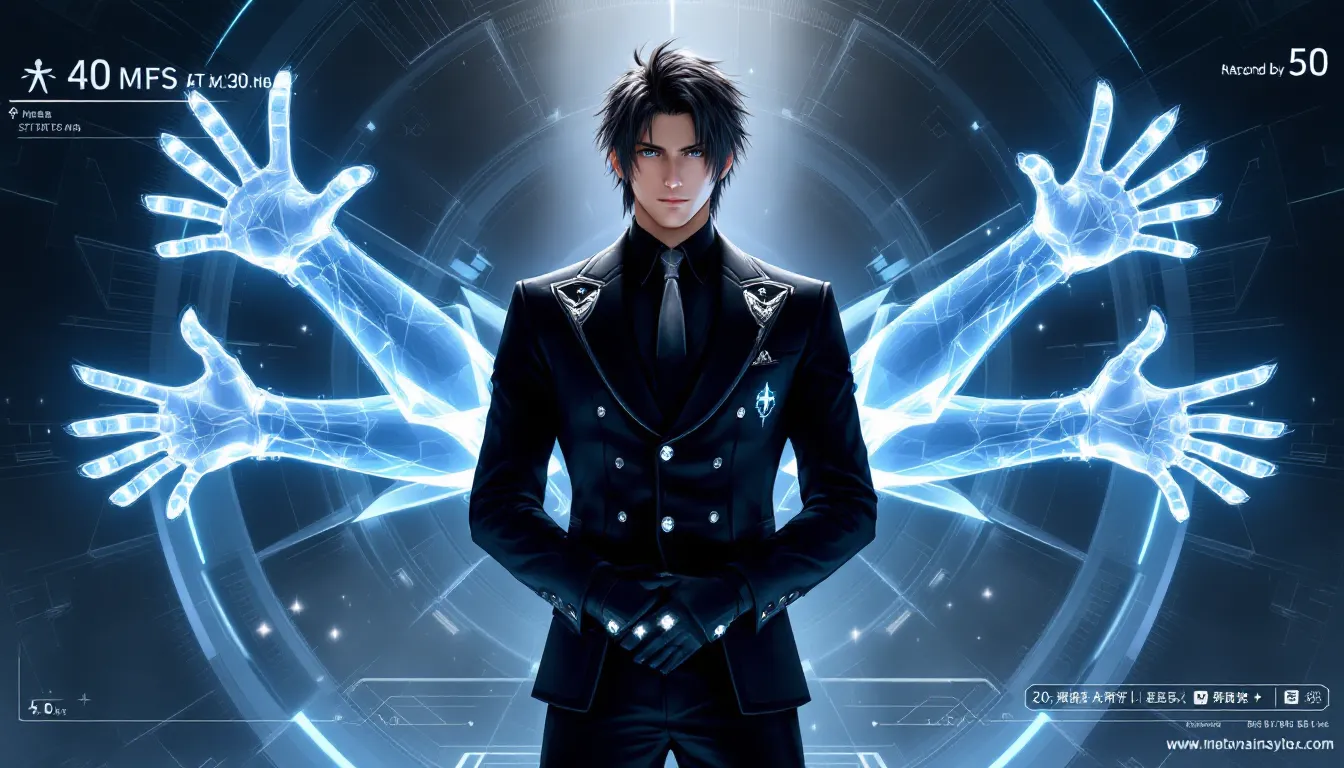
When Final Fantasy XV launched in 2016, Noctis Lucis Caelum wasn’t your typical hero. He wasn’t driven by destiny or burning with righteous fury, he was a sullen prince pulled reluctantly into a world-saving quest, learning to lead through trial and error. A decade later, as the Final Fantasy XV universe continues to evolve and expand, Noctis remains one of gaming’s most compelling protagonists. His journey resonates because it mirrors real growth: from uncertainty to confidence, from isolation to camaraderie, from selfishness to sacrifice. Whether you’re revisiting the game in 2026 or discovering it for the first time, understanding Noctis and his mechanics is crucial to mastering Final Fantasy XV and appreciating why he fundamentally changed how RPG protagonists are written. This guide covers everything from his combat arsenal to his character arc, giving you the depth you need to get the most out of the Chocobros’ adventure.
Table of Contents
ToggleKey Takeaways
- Noctis Lucis Caelum breaks the RPG protagonist mold by growing from a reluctant, uncertain prince into a decisive leader through earned confidence rather than innate destiny, making him one of gaming’s most compelling characters.
- Mastering Noctis’s combat arsenal—including his signature warp mechanic for massive damage multipliers, diverse weapons, elemental magic, and the Armiger ultimate ability—is essential to tackling endgame encounters efficiently.
- Building the optimal Noctis requires strategic stat allocation (Strength, Vitality, Spirit, or Mind), unlocking key abilities like Parry and Armiger Mastery, and adapting your loadout to specific boss mechanics and weaknesses.
- Noctis’s relationships with the Chocobros (Prompto, Gladiolus, and Ignis) transform Final Fantasy XV from a power fantasy into a meditation on friendship and found-family dynamics that enriches the narrative and gameplay through cooperative mechanics like link strikes.
- Integrating side activities—fishing for rare ingredients, cooking stat-boosting meals, and camping—with story progression creates natural pacing that develops character personalities and provides strategic advantages for tough boss fights.
- Noctis’s legacy fundamentally changed how RPG protagonists are written, influencing subsequent titles through his authentic character arc and innovative warp-based combat system that balances real-time action with tactical positioning.
Who Is Noctis? Understanding The Main Protagonist
Noctis Lucis Caelum is the crown prince of Lucis, a kingdom built on the power of the Lucian royal line’s ability to wield the Armiger, a collection of royal weapons tied to his lineage. But his character extends far beyond his title and power set. He’s designed as an everyman stuck in an extraordinary situation, which is what makes him relatable and, honestly, more interesting than the typical stoic hero archetype.
When the game begins, Noctis is heading to his arranged marriage with Lunafreya Nox Fleuret, the Oracle of the Eos world. It’s a political union meant to cement peace, but he’s not thrilled about it. His life is disrupted when his homeland, Insomnia, is attacked by the Niflheim Empire. With his kingdom falling, Noctis is forced onto a cross-continental road trip with his three best friends, Prompto, Gladiolus, and Ignis, to figure out what’s happening and how to save his world.
Noctis’s Role In The Story
Noctis’s primary role in Final Fantasy XV is the chosen one burdened by prophecy, but unlike most chosen ones, he actively resists it. Throughout the narrative, he’s learning that leadership isn’t something he was born to handle naturally, it’s something he has to work toward. His background as a prince who was sheltered and trained for combat but not for the weight of decision-making creates constant tension in the story.
The broader plot revolves around the Starscourge, a cosmic threat that feeds on the souls of the world. Noctis discovers he’s the only one with the power to stop it, but the cost is personal and devastating. His arc isn’t about becoming more powerful: it’s about accepting responsibility and finding meaning in sacrifice. This emotional journey is what elevates Final Fantasy XV beyond typical RPG fare.
Within the context of broader Final Fantasy stories, Noctis occupies a unique space. If you’ve explored other entries in the franchise through guides like Ranking Final Fantasy Games, you’ll notice Noctis breaks the mold, he’s neither the stoic soldier nor the reluctant savior of older titles, but a blend that feels more grounded.
Character Development And Growth
One of Noctis’s greatest strengths as a character is his visible growth throughout the game. He starts as somewhat selfish and emotionally distant, treating his friends with the casual indifference of someone who’s never had to depend on anyone else. By the end of his journey, he’s willing to sacrifice everything for them and his kingdom.
This development doesn’t happen through exposition or dialogue alone, it’s reflected in his interactions, his combat confidence, and his willingness to engage with the world. Early on, Noctis is hesitant in conversations and dismissive of his companions’ concerns. Mid-game, he becomes more engaged and assertive. By the endgame, he’s actively comforting his friends and making strategic decisions with clarity.
The game reinforces character growth through gameplay mechanics as well. As Noctis levels up and unlocks new abilities, players feel the power fantasy of his growth. His stat distribution becomes your choice, allowing you to shape how he develops. This marriage of narrative and mechanical progression is part of what makes Final Fantasy XV’s character development feel earned rather than scripted.
Combat System: Mastering Noctis’s Abilities
Noctis’s combat toolkit is the most versatile in Final Fantasy XV, giving him more options than any other party member. Understanding his abilities is essential to tackling tough encounters efficiently.
Warping And Directional Techniques
Warp is Noctis’s signature mechanic and arguably the most important ability in his arsenal. By holding the directional pad, Noctis can teleport to targeted locations, including enemy weak points (flagged as blue highlights on their bodies). This isn’t just flashy, it’s mechanically superior. Warping to an enemy’s back or weak point triggers massive damage multipliers, with some warp-strikes dealing 2-3x normal damage if executed at the right moment.
The directional aspect is critical: warping forward puts you behind enemies, warping backward creates distance for healing or repositioning, and warping to ledges or high ground provides temporary safety. Advanced players chain warps continuously, creating hit-and-run patterns that keep Noctis mobile while dealing consistent damage. At high levels, with proper stat investment, warp combos can delete enemy health bars before they land a meaningful attack.
Directional techniques refer to guard/dodge mechanics. Holding block at the right moment triggers a parry, which can be followed by a counterattack. The timing window is tight, but mastering it reduces incoming damage significantly and opens up free damage windows. Unlike simple blocking, a successful parry gives you aggressive options rather than just mitigation.
Weapons, Armiger, And Royal Arms
Noctis can equip four weapons simultaneously, typically a sword, greatsword, polearm, and firearm (or any combination). Each weapon class has different attack speeds and reach. Swords are fast, greatswords are slow but hard-hitting, polearms have extended range, and firearms work at distance but cost MP with special moves.
Weapon selection matters more than you’d think. Against fast enemies, a quick-striking sword like Zwill Crossblades creates more DPS windows. Against slow, heavy bosses, the Greatsword of the Father (a royal arm) deals catastrophic burst damage. The game rewards experimenting and switching loadouts per encounter rather than sticking with one setup.
Armiger is Noctis’s ultimate technique. When the Armiger gauge fills (through combat or specific consumables), Noctis summons all his equipped royal weapons into an aura around him, granting him a temporary power-up. During Armiger, all attacks chain together seamlessly, the DPS increases dramatically, and he gains temporary invulnerability frames on dodge. Armiger is your “oh crap” button in boss fights, activate it to burst through dangerous phases or heal safely while attacking.
Royal Arms are legendary weapons tied to Noctis’s bloodline, found in tombs across the world. They’re incredibly powerful but drain HP when used for extended periods. The trade-off is intentional: Royal Arms deal huge damage but cost you survivability. Endgame players balance using Royal Arms for burst damage while managing HP carefully. Each royal arm has a unique moveset and stat scaling, so different weapons are optimal for different fights.
Elemental Magic And Spellcasting
Noctis can cast elemental magic through the magic system. Unlike traditional spell lists, magic in Final Fantasy XV works through elemental flasks you craft. You can create spells with fire, ice, lightning, and healing properties, and you can combine them with items to create enhanced versions. A Fire Spell with a Mega Phoenix item becomes significantly stronger, for example.
Magic drains MP but is spammable once you have flasks. Fire magic is useful for grouped enemies, ice slows individual targets, lightning chains through enemies, and healing spells keep the party alive. The crafting system means you’re not locked into one spell per session, you can swap spells between encounters if you gather ingredients. This flexibility is part of what makes Noctis’s toolkit so adaptable.
Advanced tactics involve combining magic with weapon techniques. Using fire magic to apply burn status, then switching to critical-hit weapons to trigger additional damage multipliers on burning enemies is a valid strategy. Similarly, ice spells slow enemies, giving you more time to position for optimal warp-strikes. The game doesn’t require you to min-max this way, but it rewards creative resource management.
Building The Perfect Noctis: Stats, Skills, And Progression
Noctis’s growth is player-driven, meaning your stat allocation and skill choices directly determine how he performs in combat. There’s no “correct” build, but certain approaches are more effective for different playstyles.
Essential Abilities And Techniques To Unlock
Prioritize unlocking abilities that improve survivability and damage output. Parry is the first essential unlock, it converts defensive play into offensive opportunities. Link Strikes are critical for party synergy: they’re coordinated attacks with your allies that deal massive damage and create breathing room in tight fights.
Armiger Mastery should be unlocked early in the mid-game. This passive increases Armiger duration and charge rate, making your ultimate ability available more frequently. Early on, you might get 20-30 seconds of Armiger per boss fight: with mastery, that extends to 40+ seconds, fundamentally changing how you approach endgame content.
Daggers and Machinery techniques branch into utility. Dagger techniques improve critical hit rate and allow you to target specific enemy parts, while machinery techniques are useful for mechanical enemies and bosses with weak points. Investing in both gives you flexibility across the game’s encounter variety.
Regal Spirituality is a late-game passive that deserves special mention. It increases damage dealt to royal-favored enemies (a category covering many endgame bosses) and pairs excellently with royal arm usage. If you’re planning for Ardyn or post-game superbosses, this passive is non-negotiable.
Stat Prioritization And Equipment Strategy
Noctis has four core stats: Strength, Vitality, Spirit, and Mind. Strength increases physical damage (your bread and butter). Vitality increases max HP, crucial for survivability since boss attacks hit hard. Spirit increases magical damage, and Mind increases healing potency. Your allocation depends on whether you’re running an offensive or survivalist build.
Offensive Build: Prioritize Strength to 99 if possible, then pump Vitality to at least 50-60 for survivability. With high Strength and good equipment, you’ll delete enemies before they delete you. This works until you hit content where enemies one-shot at 60 Vitality: then you adjust.
Balanced Build: Aim for 70+ Strength, 70+ Vitality, with decent Spirit for elemental magic. This is the most forgiving approach and works for the entire main story without requiring optimization.
Support Build: Prioritize Mind and Spirit if you’re focusing on magic and healing. This is less common because Noctis isn’t designed as a healer, but it’s viable for players who want to emphasize elemental tactics.
Equipment strategy revolves around materia-like gems you socket into gear. Strength gems are obvious Strength increases. Defense gems improve survivability. MP gems expand your magic capacity. Endgame builds often run 4-6 Strength gems on weapons and Defense gems on armor, creating a tank-damage-dealer hybrid.
For the main story, don’t overthink it. Equip whatever gear has the highest stats, socket relevant gems, and you’ll be fine. Optimization becomes necessary around level 60+ or when tackling post-game superbosses like Costlemark Tower’s Redhorn or the Adamantoise. At that point, build guides from sites like Game8 become invaluable for theory-crafting specific loadouts.
Noctis’s Relationships And The Chocobros
Noctis’s character gains depth through his relationships with his three closest friends. These aren’t just party members, they’re his emotional support system, and their bonds anchor the narrative.
Bonds With Prompto, Gladiolus, And Ignis
Prompto Argentum is the hyperactive gunslinger obsessed with photography. His relationship with Noctis starts as that of a companion prince, but it deepens when Prompto’s tragic backstory reveals itself. Noctis learns that Prompto was created as a weapon by the Niflheim Empire, which shakes his understanding of friendship and identity. Even though this revelation, Noctis stands by him unconditionally, demonstrating his character growth. Prompto’s role in combat is ranged DPS: his weapon of choice is the Magitek Rifle, which deals consistent damage from distance. In terms of character dynamics, Prompto represents levity and optimism, he’s the one making jokes during dark moments, keeping the group grounded.
Gladiolus Amicitia is the shield knight, literally and figuratively. He’s the oldest of the Chocobros and serves as Noctis’s sworn protector, though their relationship is tested throughout the game. Gladiolus is serious, duty-driven, and initially critical of Noctis’s lack of readiness. Their conflict reaches a peak mid-game when Gladiolus temporarily leaves the party, frustrated with Noctis’s indecision. This separation forces both characters to grow. When Gladiolus returns, the dynamic shifts, they’re peers now, not prince and bodyguard. His combat role is tanking and close-range heavy damage with Great Swords. His character arc represents the brother dynamic: he challenges Noctis to be better, which is what real friends do.
Ignis Stupeo Scientia is the tactician, analyst, and the brains of the operation. He handles the group’s logistics, cooks meals for stat buffs, and provides strategic guidance. His role as a support character is fascinating because, unlike traditional healers, Ignis enhances the team through prep work and utility. His character arc is arguably the most complex: he’s blinded mid-game, forcing him to adapt and proving that limitations don’t define capability. Noctis’s support for Ignis during this transition showcases his emotional maturity. In combat, Ignis specializes in Daggers and elemental offense, with utility abilities that debuff enemies and buff allies.
Party Dynamics And Cooperation
The Chocobros’ group dynamic is the emotional core of Final Fantasy XV. They’re not always in perfect harmony, they argue, question each other, and navigate complicated histories. But that messiness is what makes their bond believable. By the endgame, they’re not just a party of four: they’re a found family willing to die for each other.
Gameplay-wise, their cooperation is mechanized through link strikes and call commands. Link strikes happen when you’re fighting near allies and your link meter fills. A successful link strike deals bonus damage and can trigger secondary effects (Prompto’s link strike provides offensive buffs, Gladiolus’s provides defense, Ignis’s provides healing). Understanding how to maximize these cooperative moments significantly increases DPS in longer fights.
Calling characters for specific abilities is crucial in tough battles. When Noctis is low HP and Ignis is nearby, calling his healing link strike keeps the party alive. When facing multiple enemies, calling Prompto’s Starshell ability stuns groups and creates windows for Noctis to land clean warp-strikes. Building party synergy transforms Final Fantasy XV’s combat from four separate fighters into a coordinated unit.
The emotional payoff comes in the final chapters. Without spoiling specifics, Noctis’s journey culminates in a moment where his relationships become his greatest strength. The game doesn’t let you forget that this is a story about friendship and responsibility, not just power and destiny. Understanding and appreciating the Chocobros’ arcs enriches the ending significantly.
Advanced Strategies For Tough Battles
Once you’re comfortable with Noctis’s basic kit, endgame encounters demand specialized strategies. These battles aren’t about following a formula, they’re about adapting and exploiting mechanics.
Tackling Bosses And Endgame Content
Noctis becomes substantially stronger once you’ve unlocked Armiger Mastery, leveled to 70+, and acquired endgame gear. High-difficulty fights like Ardyn (the final boss) and post-game superbosses like Adamantoise require specific approaches.
For Ardyn specifically, he’s an evasive fighter who warps around the arena constantly. The strategy is patience: wait for his attack windows, land 2-3 warp-strikes, back off before his counterattack, repeat. Rushing and mashing buttons gets you killed. Ardyn’s health is massive, so this fight is a marathon. Equip healing items, have Ignis ready to call for support, and plan to spend 8-12 minutes in combat. His difficulty is mechanical rather than stat-based: even at level 99, you’ll struggle if you’re aggressive.
Adamantoise is a different beast. It’s the largest enemy in the game and has an absurd health pool (it’s essentially a damage-check fight). The winning strategy is maximizing DPS: equip your highest-damage weapons, load up on Strength gems, and stack damage buffs from cooking and consumables. Pop Armiger early and often, use royal arms for burst phases, and let your party’s link strikes carry you through. This isn’t a technical fight: it’s a “do enough damage before running out of resources” scenario. Bringing Curatives and Mega Potions is mandatory.
Post-game superbosses in specific dungeons like Insomnia’s Armiger Dungeon and the Costlemark Tower present varied challenges. Some are technical (they require dodging and parrying), others are stat checks (you just need enough damage and healing), and some are hybrid. Resources like Twinfinite provide detailed walkthroughs for these fights with specific level recommendations and strategies.
A universal advanced tactic is link strike optimization. In long fights, maximize link strike frequency by keeping your party healthy and near enemies. Each link strike is essentially a free damage burst, and against endgame bosses, these bursts add up to significant damage chunks. Also, learn enemy attack patterns. Most bosses telegraph their heavy attacks: recognizing these windows lets you dodge safely and land guaranteed warp-strikes during recovery frames.
One often-overlooked strategy is element exploitation. If a boss has an elemental weakness (say, vulnerability to ice), craft multiple ice spells and apply that status consistently. Burning, freezing, and paralyzing enemies changes how they move and attack, giving you safer damage windows. This approach transforms fights from brutal slugfests into manageable encounters.
Fishing, Cooking, And Side Activities
Final Fantasy XV’s approach to pacing is unique: between intense narrative moments, you’ll find yourself fishing, cooking, or camping. These activities aren’t filler, they’re integrated into progression and character development.
Fishing is a minigame that rewards patience. You cast your line, wait for fish to bite, and reel them in with timed button presses. Successfully catching rare fish provides ingredients for better meals. The larger the fish, the more valuable the ingredient. Noctis doesn’t fish alone, the guys hang around and chat, and these casual conversations develop their personalities. Fishing is how you encounter some of the game’s best character moments, especially with Prompto.
Cooking is mechanically simple but strategically important. Ignis prepares meals using ingredients you gather or catch. Different recipes provide different buffs, some boost Strength temporarily, others increase magic damage or improve survivability. Before tackling tough bosses, cook a meal that provides +30% Strength or increased max HP. This simple act often means the difference between one-shot deaths and survivable boss fights. Rare ingredients from fishing enable special recipes with more powerful effects, creating an incentive loop: fish better → cook better meals → survive harder content.
Camping serves as a save point and rest mechanic. After battles, you camp and rest, which recovers HP and resets buff timers. During these camp sequences, the Chocobros interact naturally, cooking dinner, discussing the day, and occasionally reconciling conflicts. These scenes develop the story without forced exposition. From a gameplay perspective, camping also lets you access the Ascension board (where you unlock abilities) and adjust your party’s equipment.
Side quests and hunts offer additional engagement. Hunts are posted at rest stops and involve hunting specific monsters for rewards. They’re useful for farming materials, leveling up, and acquiring equipment before major story moments. Some hunts are absurdly difficult (hunting an endangered species at low level), while others are straightforward. Completing hunts also unlocks access to better restaurants and vendors, which gates certain powerful items behind completion requirements.
The open-world exploration encourages discovery. Dungeons, hidden caves, and roadside attractions pepper the landscape. Some contain treasure (stat-boosting items or weapons), others have narrative context (tombs with royal arms and backstory). While exploring, you’ll encounter random battles that contribute to your overall leveling.
The integration of these systems is what makes Final Fantasy XV’s pacing feel natural. Intense story beats are balanced with relaxation, which mirrors how real friendships work. You’re not always fighting: you’re hanging out between fights, which deepens your investment in these characters. This is one of the reasons Final Fantasy XV remains compelling even in 2026, it understands that RPGs are about downtime as much as combat.
Noctis’s Journey: Legacy And Impact On Gaming
Noctis Lucis Caelum released into a gaming landscape saturated with power-fantasy protagonists. Cloud Strife was a one-man army, Squall Leonhart was an emotionally closed-off elite, and Vaan was a street urchin with destiny thrust upon him. Noctis was different: he was relatable in his uncertainty, flawed in his selfishness, and authentic in his growth.
When Final Fantasy XV launched in 2016, it received mixed reviews for its story structure and corporate tie-ins. But, multiple free expansions and patches addressed criticisms, and over a decade of updates have refined the experience substantially. In 2026, replaying the game reveals how ahead-of-curve Noctis’s character arc was. He doesn’t magically become confident: he earns it through failure, loss, and support from his friends. This resonated with players and influenced how subsequent RPGs approach protagonist development.
The broader Final Fantasy franchise has evolved since Noctis’s debut. Newer entries explore different character archetypes, Final Fantasy XVI’s Clive Rosfield is a grittier take on the chosen-one narrative, while Final Fantasy 7’s Cloud remains the franchise’s most iconic protagonist. Yet Noctis occupies a unique position: he’s the everyman in a world of myths, the reluctant leader in a narrative obsessed with destiny, and the friend before he was the king.
Noctis’s combat innovations also influenced RPG design. His warp mechanic, instant repositioning tied to positioning and damage, became a blueprint for dynamic combat in subsequent titles. The integration of real-time action with tactical positioning created a middle ground between turn-based strategy and full action games, appealing to players who wanted both depth and accessibility.
The Royal Edition and later patches added substantial story content through DLC episodes, each exploring a different character’s perspective on the main narrative. These episodes humanized supporting characters and expanded the lore considerably. In 2026, the complete Final Fantasy XV experience is leagues beyond the 2016 launch version.
Noctis’s legacy extends beyond Final Fantasy. His character design influenced how game developers approach protagonist likability. He’s not immediately charismatic or traditionally heroic, but players connected with him because he felt like a person, not an archetype. That authenticity, flaws included, set a standard for character-driven narratives in subsequent RPGs.
For gaming hobbyists exploring the Final Fantasy Archives, Noctis is essential context. He represents a pivot point in how the franchise approaches storytelling and character development. Understanding his journey illuminates why Final Fantasy XV remains beloved even though its rough launch, and why Noctis remains a benchmark for thoughtful RPG protagonist design.
Conclusion
Noctis Lucis Caelum’s journey from reluctant prince to decisive leader is Final Fantasy XV’s greatest strength. His combat toolkit, warp mechanics, diverse weapons, elemental magic, and party synergy, creates a flexible system that rewards both mastery and creativity. Building the perfect Noctis involves understanding stat allocation, unlocking essential abilities, and adapting your loadout to encounter-specific challenges.
But mechanics alone don’t make Noctis compelling. His relationships with Prompto, Gladiolus, and Ignis ground his story in genuine emotion. Their found-family dynamic evolves throughout the narrative, transforming the game from a straightforward power fantasy into a meditation on friendship and responsibility.
In 2026, revisiting Final Fantasy XV offers perspective on how far RPG storytelling has come. Noctis wasn’t the first reluctant hero, but he was one of the first to earn his confidence through narrative and mechanical progression aligned in service of character development. Whether you’re tackling your first playthrough or returning for a second, understanding Noctis’s depth, both as a character and a combatant, enriches the experience substantially.
Final Fantasy XV is available on PS4, Xbox One, PC, and mobile platforms. If you’re hungry for more Final Fantasy content or comparing how Noctis fits into the broader franchise conversation, Final Fantasy 14 Mods offers another look at modern Final Fantasy design, while Final Fantasy 7 Remake represents the franchise’s approach to reinventing classics. Noctis’s story stands strong regardless, a character who changed how we think about RPG protagonists, one warp-strike at a time.