
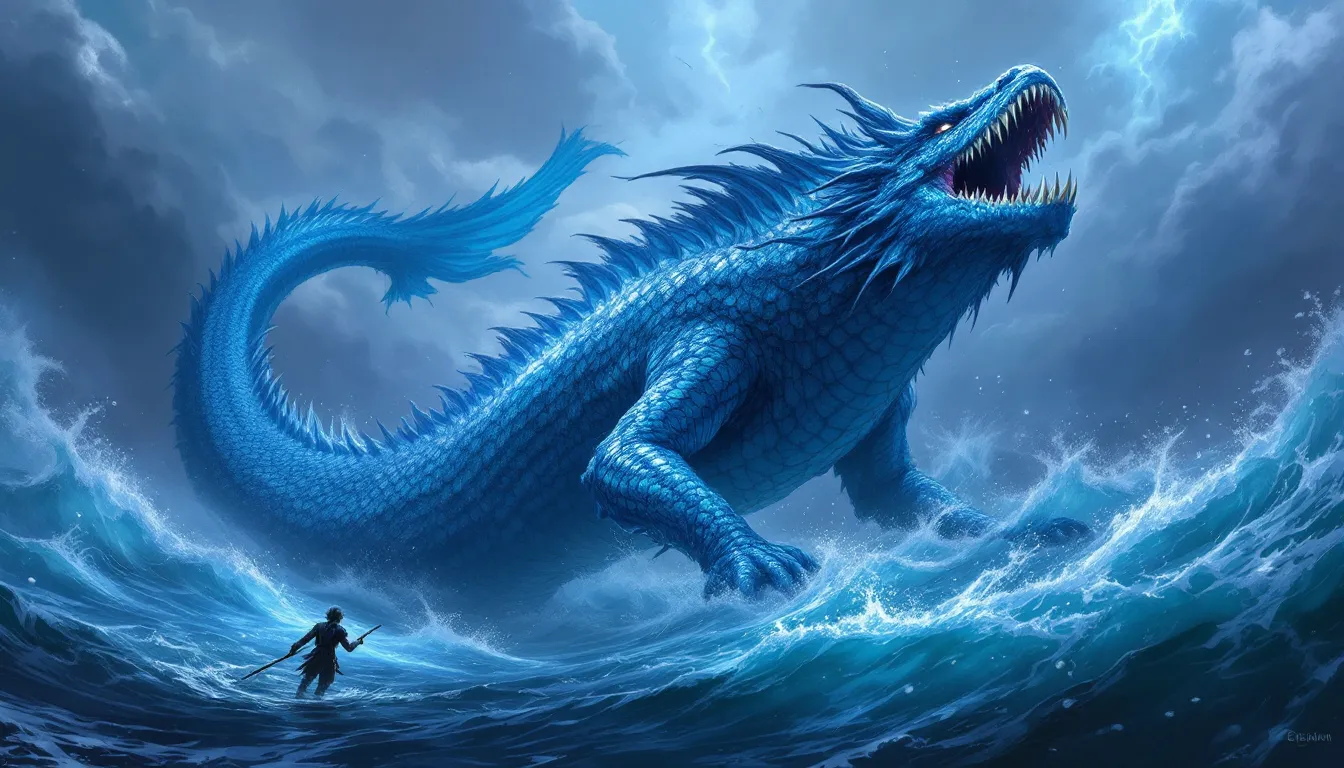
Leviathan stands as one of Final Fantasy’s most iconic and recognizable summons across the entire franchise. This colossal sea serpent has terrorized party members and demonstrated devastating power for decades, evolving with each appearance to match the technical capabilities and narrative ambitions of its respective game. Whether you’re revisiting classic entries or experiencing modern remakes, understanding how Leviathan works, and when to deploy it, separates casual players from those who truly maximize their combat potential. This guide covers everything from Leviathan’s lore and story significance to practical battle strategies, ensuring you’re equipped to handle this legendary summon like a seasoned Final Fantasy veteran.
Table of Contents
ToggleKey Takeaways
- Leviathan is one of Final Fantasy’s most iconic summons, evolving across decades with unique mechanics tailored to each game’s combat system and narrative themes.
- Obtaining Leviathan typically requires navigating themed dungeons, solving environmental puzzles, and defeating the summon in combat before adding it to your roster.
- Leviathan excels as an AoE water-element damage dealer, making it most effective against groups of water-weak enemies and least effective against water-resistant or water-absorbing foes.
- Strategic timing and party composition are crucial—reserve Leviathan for challenging encounters rather than weak enemies, and pair it with water-element synergies to maximize damage output.
- Beyond combat, Leviathan carries significant narrative weight in modern Final Fantasy entries, representing untamed natural forces and sometimes developing meaningful relationships with protagonists.
- Leviathan’s AoE specialization makes it superior to single-target summons like Ifrit in group scenarios, but other summons like Bahamut offer more universal damage when elemental coverage doesn’t matter.
Who Is Leviathan in Final Fantasy?
Leviathan is a primordial water elemental and one of the most powerful summons in the Final Fantasy universe. Unlike humanoid summons, Leviathan manifests as a massive, dragon-like serpent, often depicted with intricate scales, multiple fins, and an intimidating aquatic form that commands respect the moment it emerges from the summoning spell.
Across games, Leviathan embodies different roles and personalities. Sometimes it’s a neutral force of nature, other times a character with agency and motivations tied to the story itself. The summon’s identity has shifted from a pure damage dealer to a more nuanced entity capable of interaction with protagonists. Its significance stems not just from raw power but from what it represents: the untamed forces of the ocean and the consequences of humanity’s hubris when facing natural powers.
In terms of gameplay mechanics, Leviathan typically appears as a high-tier summon requiring specific conditions to obtain or summon in combat. The barriers to acquiring it, whether through story progression, optional quests, or grinding, reflect its status as an endgame powerhouse. When finally unleashed, Leviathan’s attacks generate massive AoE damage, often featuring water-element abilities that annihilate groups of enemies and single targets alike.
Leviathan’s Appearances Across Final Fantasy Games
Leviathan’s presence spans nearly the entire Final Fantasy franchise, with each iteration bringing unique mechanics and story weight. The summon’s evolution mirrors the series’ technological and narrative progression, making it a fascinating case study in how classic elements adapt across generations.
Final Fantasy IV and V
Leviathan first appears as a formidable optional summon in Final Fantasy IV, where it serves as a symbol of untapped power players can pursue. Obtaining it requires specific actions and preparation, establishing the pattern of Leviathan being a reward for dedicated players. The summon’s water-based attacks deal moderate-to-high damage, fitting nicely into the game’s elemental system.
Final Fantasy V continues this tradition, presenting Leviathan as another late-game summon available through exploration and item collection. The job system in FFV allows players to experiment with when and how often they can call upon Leviathan, making strategic summoning central to advanced gameplay. The summon’s design here emphasizes its connection to water dungeons and ocean-themed areas.
Final Fantasy VII and Remake
Leviathan doesn’t appear as a summoned entity in the original Final Fantasy VII, a notable absence given the game’s seven summons players can obtain. But, the Final Fantasy VII Remake introduced Leviathan in DLC episodes and expanded content, giving players a chance to experience this legendary summon in the beautifully modernized engine. Those exploring the Final Fantasy 7 Remake will encounter updated abilities that leverage current graphics technology.
In the remake’s combat system, summons function differently than in the original, they’re more deliberate, tactical choices that shift momentum when deployed at critical moments. Leviathan’s presence in this updated version feels earned, timing-dependent, and visually spectacular. The recent Final Fantasy 7 Rebirth continues expanding the summon roster, maintaining Leviathan’s relevance in the ongoing reimagining of this beloved classic.
Final Fantasy X and XIV
Final Fantasy X features Aeons, the game’s version of summons, with Leviathan appearing as one of the optional Aeons players can obtain. To acquire Leviathan, players must engage with specific underwater sequences and defeat the summon’s boss form, establishing dominance before claiming it as an ally. This battle is memorable and requires genuine strategy, making acquisition feel significant rather than trivial.
Once obtained, Leviathan’s Aeon form excels at water-based attacks and brings unique elemental coverage to your party composition. The battle animations in FFX are iconic, and Leviathan’s summon sequence remains one of the most satisfying visual payoffs in the game.
Final Fantasy XIV: A Realm Reborn presents a different take entirely. Leviathan appears as a primals encounter, a major story boss fight that pushes raid groups to their mechanical limits. The extreme difficulty of the Leviathan Extreme trial made it a benchmark encounter for raiders wanting to test their skills. This approach transformed Leviathan from a player summon into a final fantasy world entity to be defeated, reflecting the MMO’s unique design philosophy.
Other Notable Appearances
Leviathan appears across spin-offs, mobile titles, and lesser-known entries. Dissidia Final Fantasy included Leviathan in its summon system, offering players another avenue to leverage this iconic entity. Mobile games like Final Fantasy: Brave Exvius and Final Fantasy Brave Exvius War of the Visions feature Leviathan with updated stats and abilities tailored to gacha mechanics.
Recent gaming news from Gematsu and coverage from Siliconera have highlighted Leviathan’s continued presence in newer Final Fantasy titles, confirming the summon’s enduring role as the franchise evolves. The summon’s consistency across decades of games speaks to its design integrity and cultural significance within the Final Fantasy community.
How to Summon Leviathan: Locations and Requirements
Obtaining Leviathan varies significantly depending on which game you’re playing. No single path exists across the franchise, instead, each title presents unique challenges and discovery opportunities that reward exploration and engagement with the game’s systems.
Classic Games: Obtaining Leviathan
In Final Fantasy IV, Leviathan resides in the Water Dungeon, an optional area requiring players to navigate underwater sequences and solve environmental puzzles. The dungeon itself poses threats, enemies are dangerous and resources are limited. Once players reach Leviathan’s chamber, they must defeat its boss form to claim the summon materia or summon stone, depending on the version.
Final Fantasy V takes a similar approach, hiding Leviathan in the Sunken Shrine. Acquiring it involves traveling through a complex dungeon structure, managing limited healing resources, and eventually defeating the creature in combat. The effort required scales with game difficulty, and players attempting to obtain Leviathan early may find themselves outmatched. Many veterans recommend wait until mid-game progression before attempting this challenge.
Final Fantasy X streamlines acquisition slightly. Players encounter Leviathan as part of the story’s oceanic sequences, and to obtain the Aeon, they must win a specific boss battle on the player’s terms. Once defeated, Leviathan becomes a permanent addition to the Aeon roster. The battle itself is memorable, it tests your current party’s capabilities and elemental preparations.
In these classic titles, the general pattern is: navigate a themed dungeon → engage with story or environmental puzzles → defeat Leviathan in combat → acquire summon. The challenge and story context made Leviathan feel genuinely earned rather than something stumbled upon by chance.
Modern Installments: Acquisition Methods
Modern Final Fantasy entries diversify acquisition methods. Final Fantasy VII Remake and its extended content use quest systems and story progression to unlock summons, including Leviathan in certain scenarios. Players progress through narrative beats, complete optional challenges, and eventually gain access to summon materia that weren’t available in the original game.
Final Fantasy XIV takes an entirely different approach since Leviathan is encountered as a primal boss rather than something to summon. Defeating Leviathan in the trial provides rewards, armor, weapons, and cosmetic items, but doesn’t grant player-summoning capability. Instead, players engage with the encounter directly, and victory is its own reward.
In newer mobile and live-service titles, Leviathan acquisition often ties to event systems, gacha mechanics, or battle passes. Final Fantasy-focused guides and strategy resources are invaluable for tracking event windows and planning resource allocation. The method varies so widely across titles that checking game-specific guides before engaging with late-game content prevents frustration and wasted effort.
Leviathan’s Abilities and Attack Power
Leviathan’s combat capabilities define its role in battle and justify the effort required to obtain it. Understanding what Leviathan brings to your party composition ensures optimal deployment and strategic execution.
Signature Moves and Damage Output
Leviathan’s primary attack is consistently water-element focused, dealing damage that scales with summon stats and sometimes character abilities tied to water magic. The exact mechanics vary, in ATB-based games, summoning Leviathan consumes significant gauge resources but delivers immediate AoE damage covering all enemies. In more modern games emphasizing deliberate tactical moments, Leviathan attacks function as command decisions rather than automatic sequences.
Tsunami or Tidal Wave serves as Leviathan’s signature move in many games, generating enormous AoE water damage that rivals or exceeds other high-tier summons. In Final Fantasy X, for example, Leviathan’s Aeon attack deals approximately 3,000–5,000 damage per hit depending on current stats and equipment, making it one of the strongest summons available. The exact numbers shift with balance patches and difficulty settings, so always verify current stats for your specific version.
Beyond raw damage, Leviathan sometimes grants additional effects, temporary stat boosts, status immunities, or follow-up attacks that activate under specific conditions. These secondary effects elevate Leviathan from pure damage dealer to strategic tool, encouraging thoughtful deployment rather than mindless summoning whenever possible.
Evolution and Upgrades
Legendary summons including Leviathan often feature evolution or upgrade systems allowing players to increase effectiveness. In games with materia leveling systems, summoning Leviathan repeatedly during combat causes the summon to accumulate experience, gradually increasing damage output and unlocking additional abilities. This encourages players to actively use the summon rather than leaving it dormant in the inventory.
Other titles carry out summon crystals, grimoires, or upgrade materials that directly enhance summon stats. Final Fantasy XIV allows players to increase Leviathan Extreme’s difficulty tier through gear upgrades, essentially requiring repeated victories to fully gear out rewards. This system keeps endgame content relevant and provides long-term progression goals.
In games like Final Fantasy Brave Exvius, Leviathan gains evolution forms providing significant stat increases and new abilities. Each evolution requires specific materials, creating a progression path that extends Leviathan’s relevance through late-game and endgame content. Modern players should expect this type of ongoing investment to maximize their summons’ effectiveness.
Leviathan’s Role in the Story and Lore
Beyond mechanics, Leviathan carries narrative weight and thematic significance across Final Fantasy titles. Understanding the story context enriches appreciation for this legendary summon.
Narrative Importance
Leviathan frequently represents untamed natural forces, the ocean’s unpredictability, power, and danger. In games where summons are sentient beings, Leviathan embodies themes of consequence and respect for nature. Characters who summon Leviathan aren’t simply accessing power: they’re calling upon an ancient entity capable of independent thought and action.
In Final Fantasy X, Leviathan’s connection to water-based story sequences and the ocean’s significance to Spira makes the summon narratively relevant beyond combat. The Aeon’s presence in the story creates thematic continuity. Similarly, in Final Fantasy XIV, the Leviathan primal represents Void corruption and threatens the world, defeating it becomes a story milestone rather than an optional encounter.
The Final Fantasy franchise’s evolution demonstrates how Leviathan’s narrative role shifts across entries. Older games treat summons as obtainable power items. Newer entries increasingly position them as characters or forces with agency, complicating the simple “summon = tool” dynamic and creating memorable moments that resonate beyond combat.
Character Relationships and Connections
In recent Final Fantasy titles, summons develop relationships with protagonists. Characters summoning Leviathan may form bonds, experience character development, or face moral questions about commanding such powerful entities. This personalization transforms Leviathan from abstract power into meaningful story element.
In some entries, specific characters have affinities for Leviathan, accessing it earlier or more efficiently than others. This encourages party-building decisions based on narrative as well as mechanical optimization. The integration of story and gameplay creates cohesive experiences where everything, combat, narrative, character development, works in concert.
Exploring these connections through playthroughs and engaging with Final Fantasy community resources reveals layers of storytelling that strengthen emotional investment. Leviathan transitions from “cool summon to use” to “significant narrative presence” when these elements harmonize effectively.
Tips for Using Leviathan Effectively in Battle
Knowing Leviathan exists is one thing: deploying it effectively is another entirely. Strategic timing and party composition maximize its combat potential.
Best Party Compositions and Strategies
Leviathan excels against groups of water-weak enemies or situations demanding immediate AoE damage. Building a party around Leviathan’s strengths requires considering elemental coverage and damage timing. If your party already provides strong physical damage, Leviathan’s magical water attacks complement rather than duplicate that coverage.
In turn-based systems, summoning Leviathan typically consumes significant ATB gauge resources. Manage summoning frequency carefully, use Leviathan against tough enemy groups, bosses, or critical moments rather than wasting resources on trash encounters. Some players reserve summons exclusively for boss fights, treating them as nuclear options.
In real-time combat systems like Final Fantasy VII Remake, summons function differently. Summoning Leviathan removes your character from direct control temporarily, so coordinate summon timing with party members’ actions. If your partner is already attacking, that’s acceptable. If they’re in danger or need healing, delay summoning until the moment is optimal.
Elemental synergies matter too. Parties featuring water-element weapons or water-amplifying abilities gain enhanced effectiveness when Leviathan attacks simultaneously. Equipment providing water-element boosts or resistance reduction amplifies damage substantially. Before major encounters, review party loadouts and ensure water-element compatibility if relying heavily on Leviathan.
Optimal Summon Timing and Energy Management
Timing separates novice and experienced players. Summoning Leviathan when enemies are heavily armored or shielded wastes potential, wait until defenses weaken, then unleash maximum damage. Conversely, summoning preemptively against incoming dangerous attacks prevents catastrophic damage.
Energy or gauge management is critical. Gauge fills during combat through character actions, damage taken, or time passage depending on the system. Don’t waste gauge on weak enemies: conserve it for encounters that genuinely challenge your party. Learning to recognize when enemies pose real threats versus when standard combat suffices prevents careless gauge expenditure.
In some titles, summons charge faster under specific conditions, taking damage, performing certain actions, or exploiting enemy weaknesses accelerates gauge accumulation. Understanding these mechanics allows active players to summon more frequently. Passive players defaulting to random summoning miss optimization opportunities.
For boss encounters, plan summon usage around boss phases or attack patterns. Many bosses feature vulnerable windows where massive AoE damage (Leviathan’s specialty) devastates them severely. Conversely, telegraphed attacks sometimes make summoning dangerous since your character becomes vulnerable. Situational awareness separates effective summon usage from mistimed disasters.
Leviathan Compared to Other Legendary Summons
Final Fantasy franchises offer numerous legendary summons, and understanding Leviathan’s position relative to alternatives informs strategic party-building decisions.
Strengths and Weaknesses
Leviathan’s primary strength is AoE damage coverage with water-element specificity. Against groups of water-weak enemies, Leviathan outperforms most alternatives. The summon’s consistency makes it reliable, you always know approximately how much damage it will deal versus high-variance summons with fluctuating output.
Weaknesses emerge when facing water-resistant or water-immune enemies. In these situations, Leviathan’s damage plummets dramatically, potentially making it worthless. Water-absorbing enemies literally heal from Leviathan’s attacks, actively punishing its use. Also, single-target focused bosses don’t benefit from Leviathan’s AoE specialization, other summons optimized for concentrated damage perform better in these scenarios.
Compare Leviathan to Bahamut, Final Fantasy’s quintessential dragon summon. Bahamut typically deals universal, high-power damage without elemental weakness, strong baseline damage applicable everywhere. But, Bahamut lacks Leviathan’s thematic connection and often costs more gauge to summon. Neo Bahamut or upgraded variants sometimes feature superior scaling, but basic Leviathan remains more accessible.
Ifrit, the fire summon, deals single-target or concentrated damage, excelling against individual strong enemies but underperforming against groups. Leviathan wins in group scenarios: Ifrit wins in focused-damage situations. The trade-off means party composition determines which excels.
Kujata or dual-element summons provide flexibility, combining multiple elements or effects into single summons. While versatile, they rarely exceed specialists like Leviathan in their specific domain. Specialists beat generalists when fighting within their strengths.
When to Choose Leviathan Over Alternatives
Select Leviathan when facing water-weak enemy groups, when AoE damage provides maximum value, or when story progression highlights water-element combat. If your party already features strong fire or lightning coverage but lacks water-element options, Leviathan fills that gap and provides redundancy in playstyle.
Consider boss encounters with multiple enemies or phases encouraging AoE strategy. Ultimate weapon-carrying Leviathan can also matter, some bosses react to summon selection, and choosing Leviathan based on narrative significance creates satisfying moments beyond pure optimization.
Conversely, avoid Leviathan against single-target boss encounters demanding concentrated burst damage or when water-resistance is confirmed beforehand. Forcing Leviathan into unfavorable matchups wastes resources and frustration. Flexibility and situational awareness trump rigid adherence to favorite summons.
For comprehensive strategy guidance across Final Fantasy titles, GamesRadar+ offers detailed boss guides and summon comparisons worth consulting before major encounters. These resources help identify optimal summon choices for specific situations.
Conclusion
Leviathan represents decades of Final Fantasy design philosophy, iconic, powerful, and meaningful across countless entries. From classic turn-based encounters to modern action systems, this legendary summon has proven its lasting appeal and combat relevance. Whether you’re experiencing Leviathan for the first time in Final Fantasy X, revisiting it in remakes like the Final Fantasy 7 Nintendo Switch version, or tackling the extreme raid encounters in Final Fantasy XIV, understanding how to obtain, deploy, and optimize this summon elevates your gameplay significantly.
The key takeaway: Leviathan isn’t merely a damage tool, it’s a strategic choice reflecting party composition, enemy weaknesses, and moment-to-moment tactical decisions. Respect its power, understand its limitations, and deploy it decisively when situations demand aquatic devastation. Doing so transforms Leviathan from a checkbox summon into a cornerstone of your combat strategy that rewards thoughtful players who master its intricacies.