
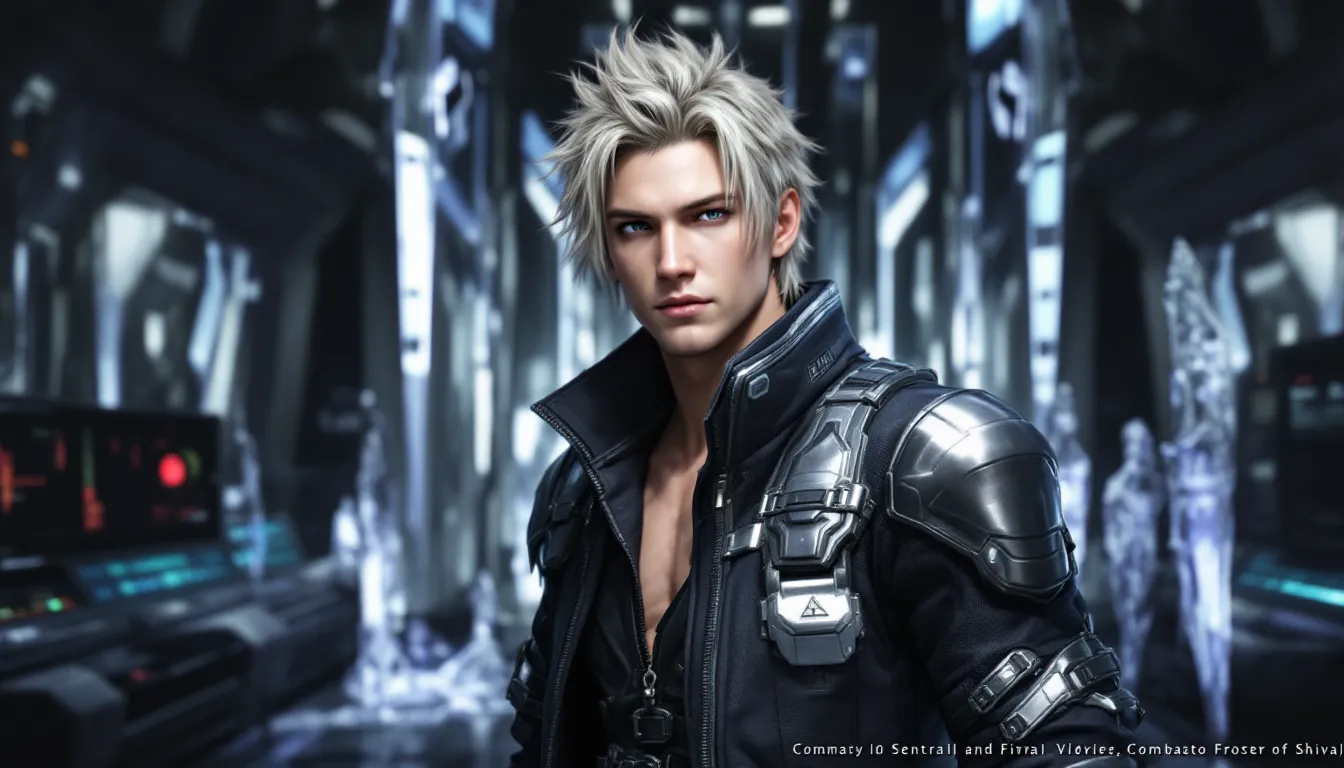
Snow Villiers might be one of the most polarizing protagonists in the Final Fantasy franchise, but there’s no denying his importance to Final Fantasy XIII’s narrative and combat system. Whether you’re replaying the game for the first time in years or jumping in fresh, understanding Snow’s mechanics, abilities, and character arc is essential for getting the most out of your playthrough. This guide breaks down everything you need to know about Snow, from his combat roles and optimal builds to his story significance across the entire XIII trilogy.
Table of Contents
ToggleKey Takeaways
- Snow Villiers is a versatile protagonist in Final Fantasy XIII who functions as both a physical tank (Sentinel) and damage dealer (Commando), making him essential to effective party composition and strategic planning.
- Snow’s character arc transforms him from a naive, self-confident hero into someone who understands that true strength lies in sacrifice and protecting others, reflecting his gameplay role evolution throughout the game.
- Snow’s combat effectiveness depends on proper Crystarium development prioritizing Strength early-game and HP/Defense mid-to-late game, with weapon upgrades mattering more than specific equipment choices.
- His signature abilities—Steelguard for defense, Froststrike for status effects, and his Shiva summon—become increasingly important in mid-game and late-game encounters, particularly against boss fights and high-difficulty content.
- Snow’s story extends beyond Final Fantasy XIII into the sequel trilogy, shifting from playable protagonist to supporting character with significant narrative impact, though his removal from active combat frustrated some fans while advancing the overall XIII narrative.
Who Is Snow Villiers?
Snow Villiers is one of the main protagonists of Final Fantasy XIII and serves as a leading figure throughout the game’s interconnected sequels. He’s the self-proclaimed hero and leader of the group, though his role is more complex than he initially realizes. In the game’s opening chapters, Snow is a young man from Bodhum who becomes caught up in the conflict between the humans and the fal’Cie (divine beings that govern the world). His engagement to Serah Farron, one of the party members, and his determination to protect those he cares about drive much of his character motivation throughout the trilogy.
Snow functions as both a physical tank and a damage dealer in combat, making him one of the most versatile members of your party. His character design reflects his role as someone trying to be strong for others, even when the weight of responsibility threatens to crush him. In terms of gameplay, he’s available for most of Final Fantasy XIII, making him a consistent presence in your team composition, though his importance shifts as the story progresses through different acts.
Snow’s Story Arc and Character Development
Snow’s journey through Final Fantasy XIII is one of the most transformative arcs in the game, moving from naive idealism to hard-won wisdom. Understanding his character development is crucial for appreciating both his story role and why certain abilities or moments feel significant in the narrative context.
Early Game: A Reluctant Hero
When Final Fantasy XIII begins, Snow isn’t actively seeking a grand destiny, he’s thrown into the Purge, a forced evacuation orchestrated by the government, simply because he’s in the wrong place at the wrong time. His immediate goal is straightforward: protect Serah and survive the chaos unfolding around Bodhum. At this stage, Snow believes he’s capable of single-handedly stopping a Fal’Cie invasion, which sets the tone for his character flaws. He’s confident, sometimes to a fault, but his heart is in the right place. During early battles, Snow’s role as a Commando gives players a reliable physical attacker while his character fumbles through moral complexity he doesn’t fully grasp yet.
Early in the game, Snow discovers that those touched by the Fal’Cie become l’Cie, branded with a mark and given a Focus, a divine purpose they must fulfill. This revelation fundamentally alters his perspective, though he initially refuses to accept the weight of it. His banter with Sazh and interactions with Lightning show a character still learning what it means to be part of something larger than himself.
Mid-Game: Burden and Growth
As Final Fantasy XIII progresses, Snow’s naïve heroism collides with harsh reality. The more he discovers about the true nature of being a l’Cie and the Fal’Cie’s actual intentions, the more his confidence wavers. This is where his character truly develops. He begins to understand that wanting to save everyone and actually being able to do so are two very different things. Snow’s guilt compounds when he realizes his actions and decisions have consequences that affect not just him but the entire group.
During mid-game sequences, particularly around the Sunleth Waterscape and Gran Pulse arcs, Snow demonstrates vulnerability. He questions his role as a leader and confronts the fact that his earlier optimism was partly denial. Combat-wise, this mirrors his shifting Paradigm roles, he becomes more effective as a Sentinel, learning to protect others through defense rather than pure offense. His signature ability, Steelguard, becomes narratively significant as it represents his growing understanding of how to be strong for others by taking hits meant for them.
Late Game: Redemption and Sacrifice
By the final act of Final Fantasy XIII, Snow has transformed from an impulsive kid into someone willing to make the ultimate sacrifice. His arc culminates in choices that define not just his fate but the fate of the world itself. He accepts his role as a l’Cie and the consequences that come with it, showing genuine growth rather than mere acceptance. The late-game scenarios involving Snow carry emotional weight because his character has earned the right to make these decisions through his journey.
In Lightning Returns: Final Fantasy XIII, Snow’s story takes a different turn entirely, and his evolution continues across centuries. His arc demonstrates how his core desire to protect others remains constant even as the circumstances around him change dramatically. World of Final Fantasy, but Snow’s journey in XIII remains one of the franchise’s most serious character studies.
Combat Role and Paradigm Shift
Snow’s flexibility in combat is one of his greatest strengths as a party member. Unlike Lightning, who specializes in melee damage, Snow can shift between two distinct Paradigm roles that serve very different tactical purposes.
Snow as a Commando
Commando is Snow’s primary damage-dealing role, focusing on physical attacks to build up enemy stagger bars and deal direct damage. When configured as a Commando, Snow uses his full arsenal of attack skills to apply pressure during combat encounters. His physical attack animation is slower than Lightning’s but hits harder, making him ideal for taking down larger, tankier enemies. Key Commando abilities include Punch (basic attack), Ruin (his physical damage skill), and Froststrike, which applies the Freeze status effect.
Snow’s Commando role shines when you need raw damage output without worrying too much about taking hits back. His weapon progression (Brawlers and Dueling Sabers) directly supports this role, with later weapons offering increased Strength and Physical Damage. When fully upgraded, Snow’s Commando can output significant DPS (damage per second) even without elemental advantages, making him a reliable pick for prolonged battles where stagger and break are primary objectives.
For early-game content, Snow as a Commando is straightforward, equip him with the best physical attack Paradigm items available and let him attack enemies until they break. His damage scales well with weapon upgrades, so investing in his Commando gear early pays dividends throughout the game.
Snow as a Sentinel
Sentinel is Snow’s defensive role, designed to absorb incoming damage and apply debilitating status effects to enemies. This is where Snow’s character arc intersects with gameplay design, as his story progresses and he learns the value of protecting others, his Sentinel role becomes increasingly important to how you should position him in your party.
When you shift Snow into Sentinel role, he gains access to defensive abilities like Steelguard (reduces physical damage to Snow) and provoke skills that draw enemy attacks toward him. This role is essential for managing damage spikes in boss encounters, particularly in Final Fantasy XIII’s harder difficulty options. Snow’s high HP pool and defensive stats make him naturally suited for tanking, and his Sentinel Paradigm leverages this strength.
Snow as a Sentinel is especially valuable against physical attackers and enemies that deal massive single-target damage. In boss fights like the Havoc Skytank or later encounters in Gran Pulse, having Snow tank while Lightning and others attack from safety is a legitimate strategy. His Sentinel abilities improve significantly with Crystarium progression, unlocking better defensive multipliers and additional provoke options that make him harder to ignore in combat.
Abilities and Signature Moves
Snow’s combat arsenal grows throughout Final Fantasy XIII, with abilities that range from straightforward physical attacks to status-effect applications. Understanding his full ability pool helps you build effective Paradigms and team compositions.
Command Abilities
Snow’s command abilities are divided between his Commando and Sentinel roles, with each role providing unique tactical options:
Commando Abilities:
- Punch: Basic attack, starter ability
- Ruin: Single-target physical damage, builds stagger quickly
- Froststrike: Physical attack applying Freeze status (useful against enemies weak to ice)
- Vengeance: Higher damage output with longer animation
- Spark: Later-game attack option with increased damage multiplier
Sentinel Abilities:
- Steelguard: Reduces physical damage taken by Snow for one turn
- Provoke: Draws attention of enemies, increasing incoming aggro toward Snow
- Entrench: Advanced defensive skill available late-game
Snow’s abilities scale with both weapon upgrades and Crystarium level progression. Unlike Lightning’s more varied command options, Snow’s command abilities are straightforward, they’re designed for consistent, reliable damage or defense rather than situational utility. This makes him easier to use but potentially less exciting for players seeking mechanical complexity. But, this simplicity is part of his design philosophy: Snow is reliable, not flashy.
Summon and Ultimate Technique
Snow’s Eidolon (Summon) is Shiva, one of the most powerful summons in Final Fantasy XIII. When summoned, Shiva transforms into Shiva Sisters, twin sisters who can deal massive damage, heal the party, or provide buffs depending on which form Snow has them take. Shiva is particularly effective against humanoid enemies and during boss fights where you need burst damage or emergency healing. The summon sequence is visually spectacular and mechanically powerful, often turning the tide in difficult encounters.
Snow’s Ultimate Technique is Army of One, his most powerful attack. This ability becomes available after triggering specific conditions in combat, typically after reaching high chain counts or meeting certain battle criteria. Army of One is a massive damage spike that can instantly break staggered enemies and deal catastrophic damage. But, it’s not continuously available, it requires proper setup and team coordination to maximize its effectiveness.
Both Shiva and Army of One represent Snow’s growth as a character and combatant. Early in the game, these abilities feel distant and difficult to trigger reliably, but as you improve your gear and learn optimal combat patterns, they become core components of your damage strategy.
Building Snow: Stats, Equipment, and Customization
Optimizing Snow’s character requires careful attention to stat distribution, weapon selection, and accessory choices. Different phases of Final Fantasy XIII demand different builds, and flexibility in your approach will serve you better than committing to a single strategy.
Optimal Stat Development
Snow benefits most from balanced stat allocation that prioritizes Strength for physical damage while maintaining reasonable defensive values. His Crystarium development should focus on:
- Strength: Primary stat: increases physical damage output significantly
- HP: Necessary for survivability, especially if using Snow as a Sentinel tank
- Magic: Lower priority unless specifically running support abilities
- Defense: Secondary priority: helps reduce incoming damage
- Magic Defense: Helpful against magical enemies but lower priority
During early-game chapters (Chapters 1-4), Snow should focus on unlocking Strength nodes to maximize his damage output. As you progress through mid-game (Chapters 5-7), allocate points more toward HP and Defense to support his emerging Sentinel role. Late-game progression (Chapters 9-13) allows you to specialize further, pure damage-focused builds if Snow remains primarily Commando, or balanced builds if he’s splitting time between both roles.
The Crystarium system in Final Fantasy XIII doesn’t allow perfect specialization the way some later RPGs do, so expect Snow to develop somewhat generically. But, you can bias his progression path toward whichever role you use most frequently. If Snow spends 70% of battles as Commando, prioritize Strength: if 70% Sentinel, prioritize HP and Defense.
Weapon and Armor Recommendations
Snow’s weapon progression follows a clear upgrade path, with each tier offering increased Strength and new special properties:
Early-Game Weapons (Chapters 1-3):
- Frost Knuckles (starting weapon): Adequate for early battles: apply Freeze
- Wildcat (Chapter 2): Slight damage increase: obtainable through upgrades
Mid-Game Weapons (Chapters 4-7):
- Baudilion (Commando focus): Highest physical damage for Commando builds
- Paladin (Sentinel focus): Increased Defense multiplier: better for tank builds
Late-Game Weapons (Chapters 8-13):
- Conqueror: High Strength, versatile for both Commando and Sentinel roles
- Taming Pole (ultimate weapon): Maximum stats: requires extensive endgame grinding
Weapon upgrades matter more than which specific weapon you use. The difference between a non-upgraded Baudilion and an upgraded one is substantial, prioritize upgrade materials over collecting every possible weapon. For armor, Snow benefits from heavy armor that increases Defense and HP:
- Light Armor (early chapters): Basic protection
- Guard Uniform (mid-game): Better Defense multiplier
- Dragoon Equipment (late-game): Highest Defense and HP
Accessories depend on what role you’re emphasizing. Sentinel builds benefit from Defense-increasing accessories and HP multipliers. Commando builds prefer Strength accessories and elemental enhancements. A practical late-game setup might be one HP accessory and one Strength accessory, allowing flexibility between roles.
Ranking Final Fantasy Games, and Snow’s customization options are a significant part of that equation.
Snow in Final Fantasy XIII-2 and Lightning Returns
Snow’s story doesn’t end with Final Fantasy XIII’s conclusion. His character arc extends across the entire XIII trilogy, with each installment adding new dimensions to his journey.
Returning in the Sequels
In Final Fantasy XIII-2, Snow appears as a significant character even though not being a playable party member in the traditional sense. The sequel’s time-travel narrative means Snow appears at different ages and under different circumstances throughout the story. His role shifts from protagonist to supporting character, which some players welcomed as a narrative shift while others felt his removal from the active party diminished his presence.
Snow’s combat availability changes in XIII-2 through specific story triggers and optional encounters. While you can’t control him directly in battles, his Paradigm roles and abilities are referenced in the sequel’s systems, and his character development directly impacts plot progression. His relationship with Serah takes center stage in XIII-2, adding emotional context to decisions made in the first game.
Lightning Returns: Final Fantasy XIII positions Snow in a completely different context. Set centuries after the main XIII timeline, Snow has transformed into Caius in certain story beats (though this involves complex time-loop mechanics). Snow’s ultimate fate in this game is bittersweet and represents the culmination of his character arc across all three games. He’s not a playable character in traditional form, but his presence shapes Lightning’s entire quest and the game’s ending.
Story Implications and Fan Reception
Snow’s role in the sequels generated significant discussion within the Final Fantasy XIII fanbase. His removal from the playable roster in XIII-2 disappointed players who enjoyed his combat style, while others appreciated the shift in narrative focus toward other characters. His storyline in Lightning Returns remains one of the trilogy’s most emotionally impactful moments, though its presentation generated debate about narrative clarity and character resolution.
From a gameplay perspective, Snow’s absence from XIII-2’s active party meant developing new strategies and team compositions without his tanking or damage output options. This forced players to adapt and discover different Paradigm combinations, which some viewed as healthy gameplay evolution and others saw as unnecessary removal of a fan-favorite.
Final Fantasy 14 Mods, and similarly, Snow’s role in the XIII sequels remains a topic of passionate debate within XIII-specific communities. Final Fantasy Airship provides.
Comparing Snow to Other Final Fantasy Protagonists
Placing Snow within the broader context of Final Fantasy protagonists reveals both his unique qualities and where he fits in the franchise’s legacy. Final Fantasy XIII’s protagonist structure differs from traditional entries because it doesn’t feature a single protagonist, instead, it rotates focus between multiple party members, with Snow, Lightning, and Sazh all sharing protagonist roles.
Unlike Cloud Strife from Final Fantasy VII, who discovers his true identity and powers gradually, Snow’s journey is about accepting limitations and learning that true strength lies in sacrifice rather than overwhelming power. Cloud starts as a self-deceived mercenary and evolves into an accidental hero. Snow starts as an optimistic kid and evolves into someone who understands the price of heroism. These are fundamentally different character arcs serving different thematic purposes.
Compared to Lightning, Snow is the emotional core of the group where Lightning represents tactical resolve. Lightning’s character arc involves breaking away from her predetermined role, while Snow’s arc involves accepting and transforming his role into something meaningful. This dynamic between the two characters creates the central tension in XIII’s narrative, they represent different philosophies about facing predetermined destiny.
Snow also shares DNA with Final Fantasy X’s Tidus in that both are young male protagonists thrust into world-threatening circumstances beyond their comprehension. But, Tidus eventually learns his entire identity is false, forcing a complete character reconstruction. Snow’s challenge is different, he must maintain his core goodness while accepting harsh truths about his capabilities and limitations. Ranking Final Fantasy Games often positions XIII controversially among fans, with Snow’s characterization being a flashpoint in those discussions.
Snow’s popularity varies depending on who you ask within the Final Fantasy community, but his role as a protagonist who learns humility rather than power is increasingly appreciated as the XIII trilogy recedes into gaming history and perspective softens.
Tips for Using Snow Effectively in Battle
Mastering Snow’s combat contributions requires understanding when to shift his roles and how to position him within your overall team strategy. His effectiveness scales dramatically based on your understanding of Paradigm management and enemy weaknesses.
Early Game Strategy
During Final Fantasy XIII’s opening chapters, Snow is your primary physical attacker. Equip him as a Commando and let him attack enemies continuously while you use other party members for support and healing. Early enemies are designed to fall quickly to consistent physical damage, so Snow’s straightforward approach works perfectly.
Your typical early-game Paradigm setup should be:
- Snow (Commando): Primary physical damage
- Vanille (Medic): Healing and support
- Sazh (Ravager): Elemental damage to build stagger
This configuration requires minimal management. Snow attacks, Vanille keeps everyone healthy, and Sazh applies elemental weaknesses that speed up enemy stagger. Switch to Snow’s Sentinel role only when he’s about to take massive damage, early bosses don’t demand constant tanking, so his defensive role feels optional rather than necessary.
Focus on upgrading Snow’s weapon and armor before complex Paradigm management becomes important. A well-equipped Snow with basic attack strategies will carry you through the first 4-5 hours of gameplay without requiring sophisticated planning.
Late Game and High-Difficulty Content
As you progress into mid-game and late-game content, particularly when tackling optional superbosses or Final Fantasy XIII’s harder difficulty modes, Snow’s tactical importance increases significantly. His Sentinel role becomes mandatory for managing damage spikes that would otherwise eliminate your party.
For late-game boss encounters, consider these Paradigm setups:
Against Physical Attackers:
- Snow (Sentinel): Tank hits and apply debuffs
- Lightning (Commando): Consistent damage while Snow tanks
- Fang (Ravager): Stagger building and elemental weakness
Against Magical Attackers:
- Snow (Commando): Push damage quickly before major attacks
- Vanille (Saboteur): Apply status effects and debilitate enemy magic defense
- Hope (Medic): Healing and Regen maintenance
Late-game Snow should have significant HP investments and Defense-focused accessories. The difference between a poorly optimized Sentinel Snow and a well-built one is the difference between surviving a critical attack with 30% HP or getting eliminated outright.
Use Snow’s Froststrike ability to apply Freeze status against enemies that lack ice resistance. Late-game enemies are often weak to specific elements, and Snow’s ice-aligned attacks let him contribute to status strategies even while tanking. His stagger contribution via Commando attacks also shouldn’t be ignored, don’t leave him in Sentinel role if enemies are nowhere near breaking, as his damage could accelerate stagger conditions.
For absolutely brutal encounters like optional Adamantoise fights or superbosses added in later updates, Snow’s role shifts to pure survival specialist. Stack his equipment with the highest HP and Defense multipliers available, use potent accessory combinations, and focus on keeping him standing so your offensive party members can safely attack. This defensive approach might seem boring, but it’s mechanically sound and often necessary for success at maximum difficulty.
Final Fantasy 7 Nintendo, and while XIII isn’t available on Switch, understanding role specialization applies across the entire franchise. Final Fantasy Archives on.
Conclusion
Snow Villiers represents a particular type of Final Fantasy protagonist, one who learns that being strong doesn’t mean having unlimited power, but rather knowing when to sacrifice for others. His combat roles as both Commando and Sentinel reflect his character journey, and his abilities scale well throughout Final Fantasy XIII when properly built and positioned.
Whether you’re playing through XIII for the first time or revisiting the game years later, Snow deserves attention as both a character and a combatant. His story arc gains depth on subsequent playthroughs, and his combat flexibility makes him invaluable across different team compositions and difficulty levels. Building him effectively, understanding his role shifts, and appreciating his narrative journey creates a richer experience with the game overall.
Eventually, Snow’s legacy within Final Fantasy XIII depends largely on player perspective, those seeking a perfect protagonist may find his flaws frustrating, while those valuing character growth over initial competence will find his arc genuinely compelling. Either way, he remains one of the franchise’s most discussed and debated characters, which is a testament to his impact on the series’ storytelling.